

“Wouldn’t it be the most ridiculous story ever told, if the boy who couldn’t read and write at 18 gets a PhD before he’s 30?”
Those are the words of Jason Arday—the 2002 Professorial Chair in the Sociology of Education at Cambridge University. Indeed, the story of his metamorphosis from arguably the most disadvantaged person in the UK to elite scholar-athlete-philanthropist would make even Walt Disney raise an eyebrow.
Born to Ghanaian parents, Arday grew up on a council estate (the British equivalent of Section 8 housing) in south London. At age three he was diagnosed with global development delay and autism. Therapists said he would be confined to an assisted living facility. Miraculously, at 11 years old, he spoke his first word (“hello”). When he was 18, he learned to read and write.
Under the influence of a white high school teacher who “gave [him] agency,” Arday pursued higher education. After receiving a PhD from Liverpool John Moores University, he rocketed up the academic ladder as a scholar of racism, education, and inequality. In three years he went from senior lecturer at Roehampton (2018) to associate professor at Durham (2019) to professor at Glasgow (2021). Ivy League universities (plural) tried to recruit him, but he had his heart set on Oxford or Cambridge. In 2023, at age 37, he became the youngest black full professor in the history of Cambridge. He is one of the youngest people of any race to ever hold a chair professorship at Oxbridge.
In his spare time, Arday ran 30 marathons in 35 days and 300 miles in three days.
As of 2023, he had worked with “more than 70” charities and raised more than £5 million.
Up until his appointment at Cambridge, Arday continued to face unspecified hardships. As reported by the Guardian in 2023, despite previously being a professor at Durham and Glasgow, “He has barely slept over the past 15 years..., working through most nights—often on his academic and charity work, but sometimes just to make ends meet.”
He has received “hundreds of thousands of letters and emails” from fans “all over the world.” This indicates a level of fame comparable to an upper-middle-tier household name celebrity.
But how much of “the most ridiculous story ever told” is true?
I was recently contacted by a faculty member at Cambridge (whose name I will not reveal) who alleges that Arday is a plagiarist and fabulist. My source claims that many if not most professors at Cambridge have known about this for more than a year. However, Arday and/or Cambridge’s administration are using intimidation and legal threats to squelch the story. As far as I am aware, the only mention of Arday’s alleged plagiarism that exists in the public domain is on the personal website of retired Plymouth Marjon University professor Dave Harris. (More on that later.)
Besides the plagiarism, there are serious questions about Arday’s biographical claims.
Developing normal speaking abilities after being nonverbal until age 11 is medically improbable.
Arday has repeatedly made unequivocal assertions that he could not read, write, or even spell his own name until he was 18. But he left secondary school with General Certificate of Secondary Education (GCSE) qualifications in Physical Education and Textiles. Despite being in vocational subjects, these tests require literacy, and they are normally taken at age 15 or 16. Based on publicly available information, it is possible to recreate a timeline that places Arday’s test date before age 18. It is conceivable that he received “special arrangements” to allow him to take the test with help from a reader and scribe. However, a write-up of his forthcoming memoir says that he “left secondary school with two GCSEs to his name, still barely able to read or write.” So he may be backing away from his original story.
30 marathons in 35 days and 300 miles in three days are feats of dubious believability. Wikipedia lists running 50 marathons in 50 days as one of the highlights of professional ultramarathon runner Dean Karnazes’s career. 30 in 35 days is possible for an amateur, but only with intensive training and planning. 300 miles in three days is an even bigger stretch. For comparison, Yiannis Kouros, who has been described as “the greatest ultrarunner of all time,” set a world record in 1984 when he ran 359 miles in three days. Arday asserts that he was able to do all this because “If you have the will, it will always supersede skill”—a proposition that anyone with experience in athletics knows to be false.
However, it is impossible to prove or disprove Arday’s biographical claims without more direct evidence. Therefore, I will only address questions about his scholarship.
Here I present evidence that, starting with his PhD dissertation, Arday routinely passes off the words and ideas of others as his own. If one removes the apparently plagiarized material from his record, there is little or no real scholarship. I discuss the cover-up by senior administrators at Cambridge and the broader implications for free speech and DEI ideology.
The Dissertation
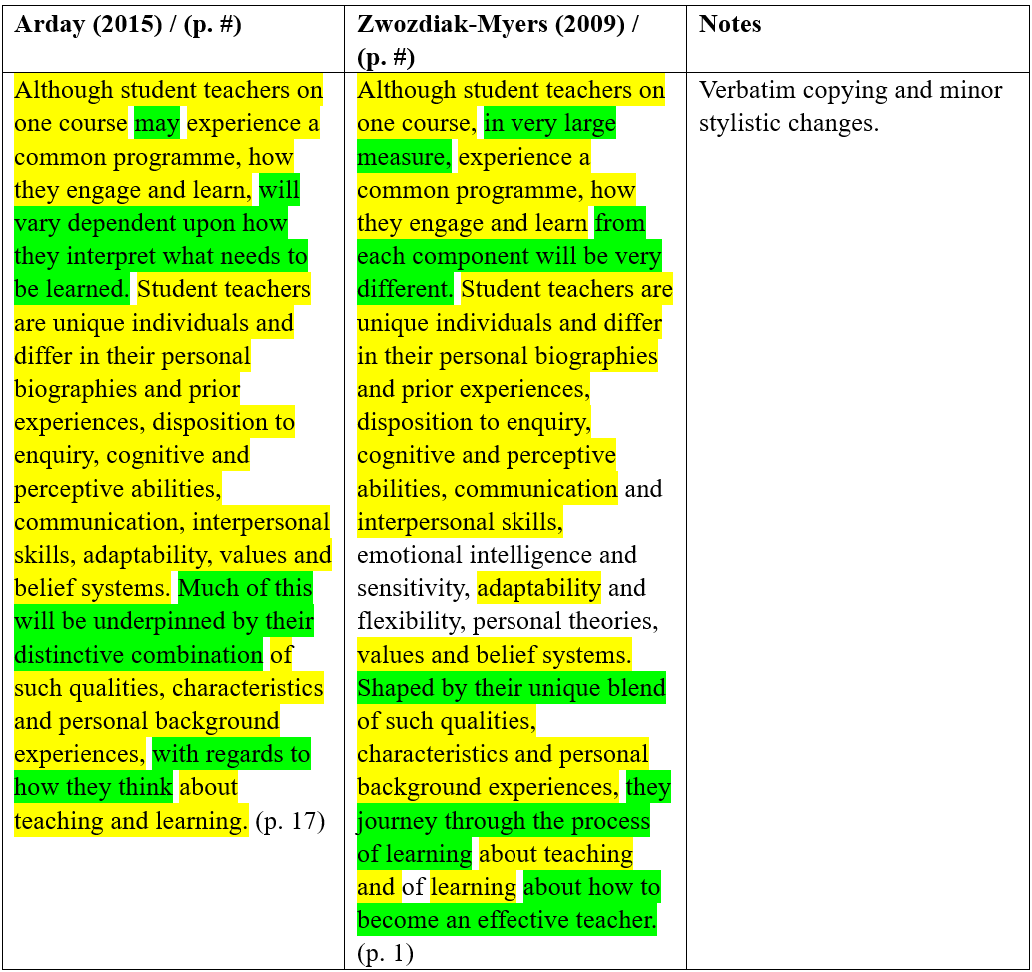
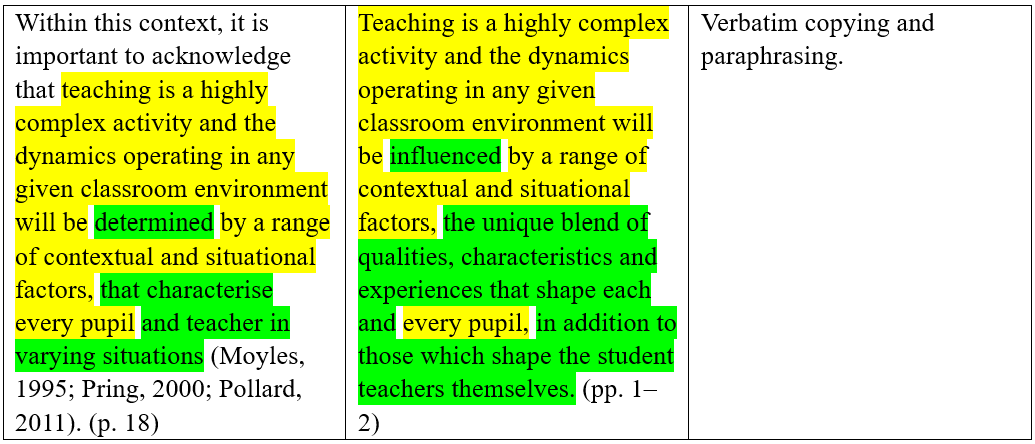
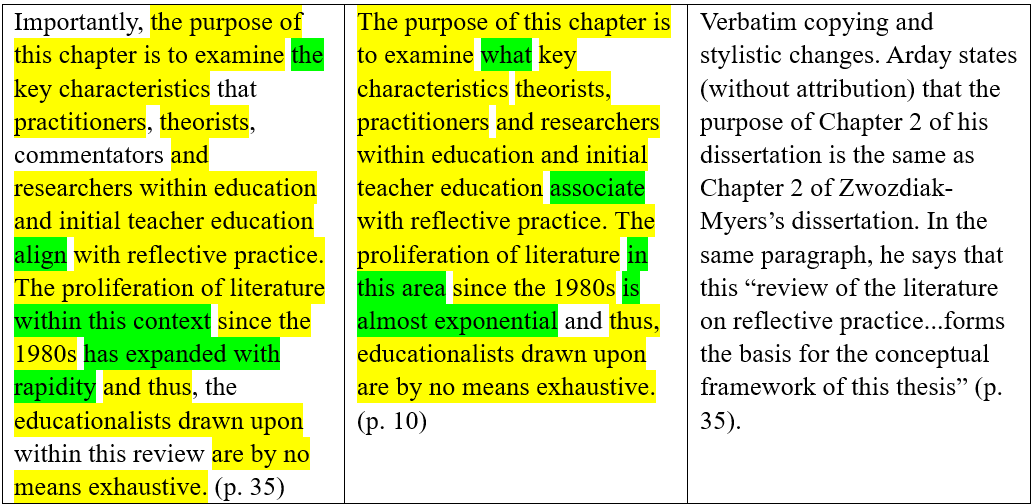
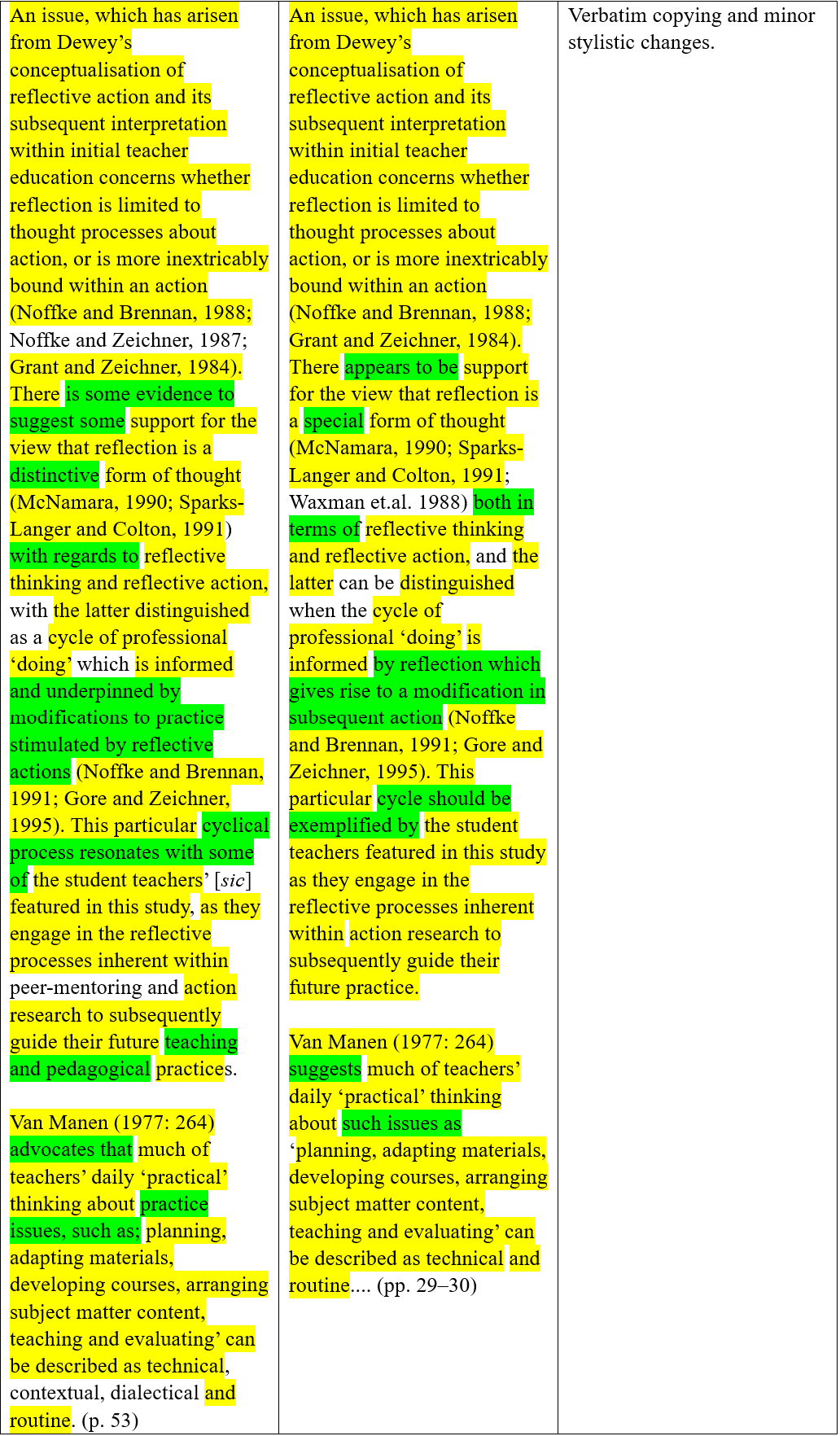
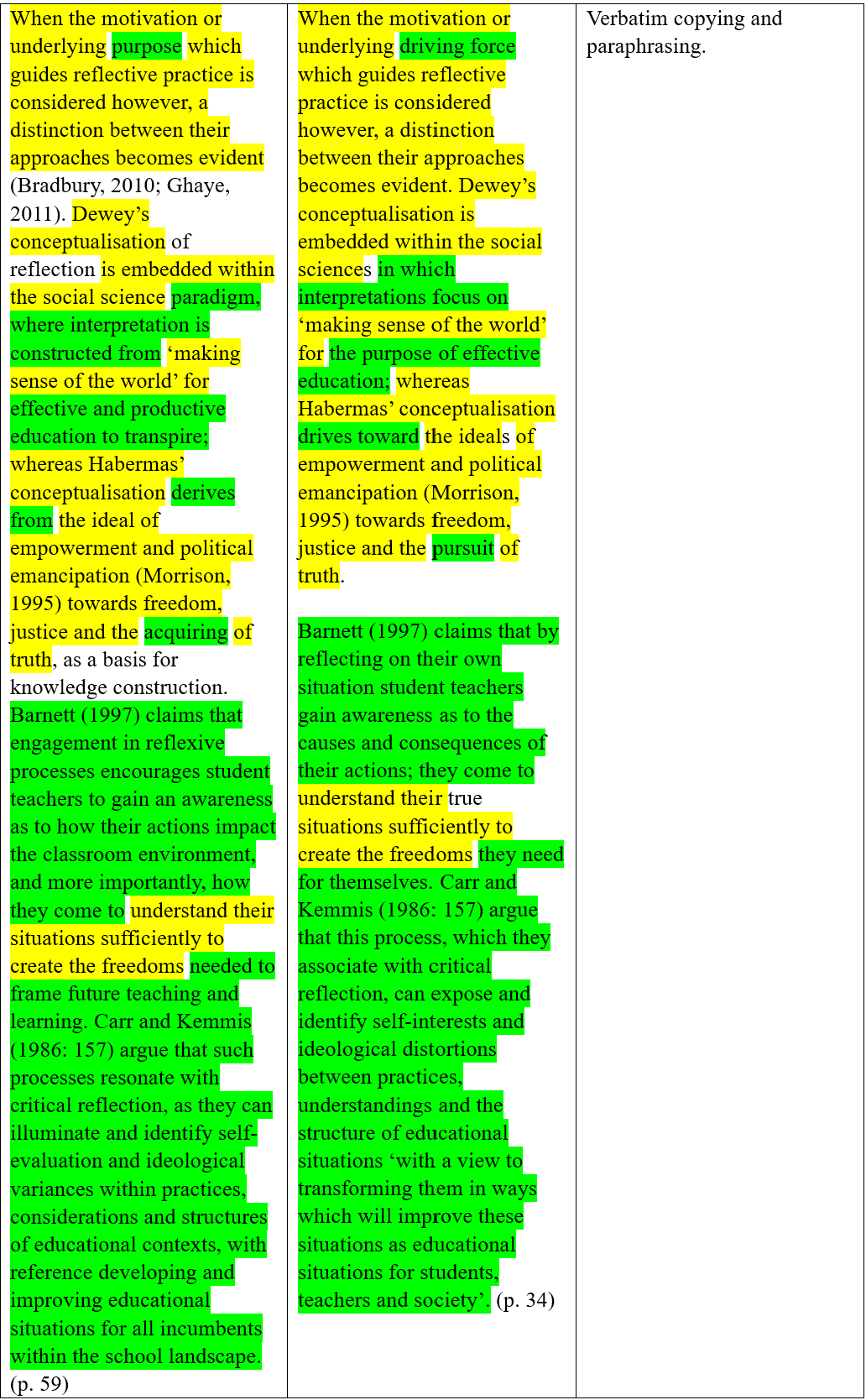
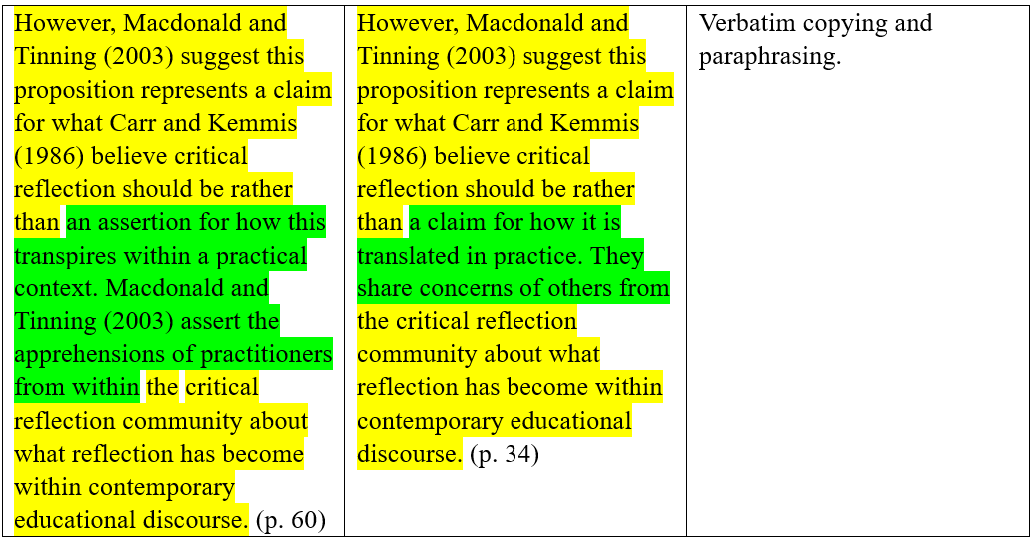
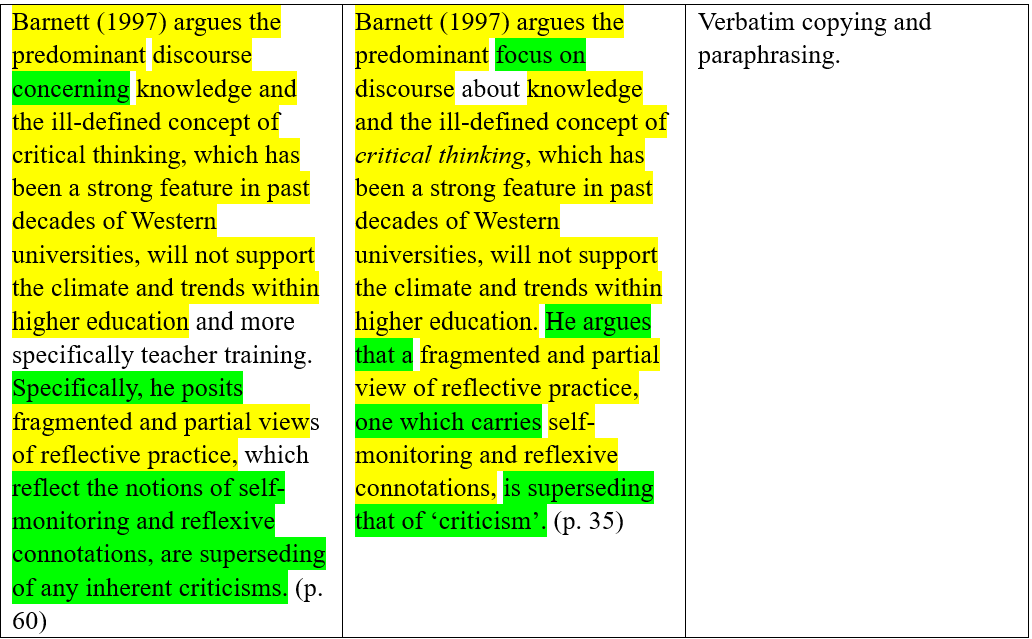
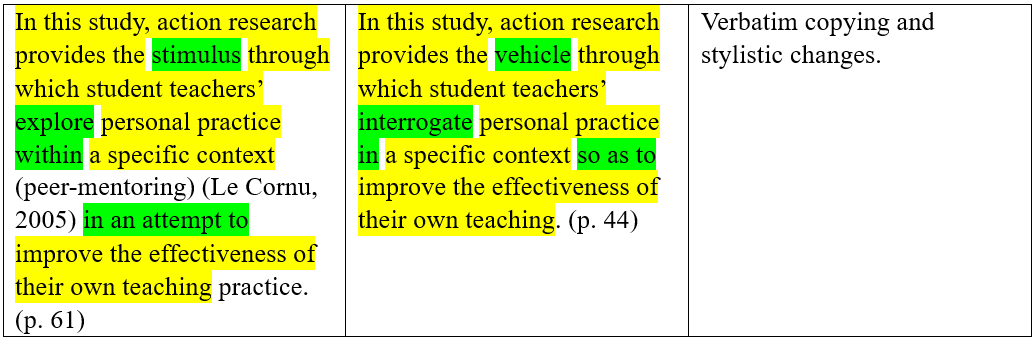
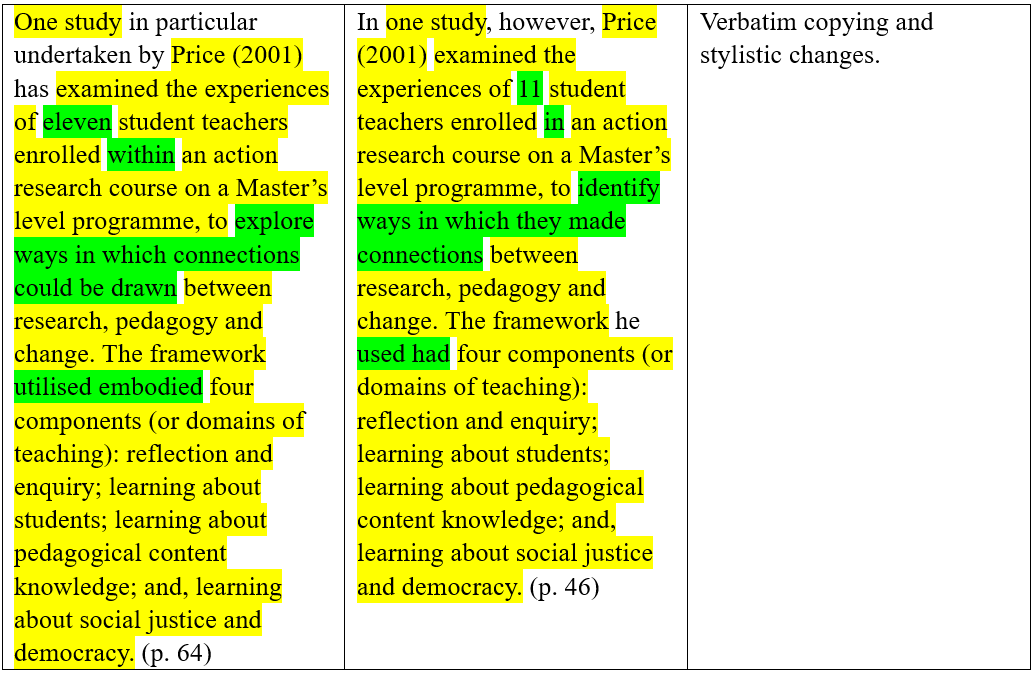
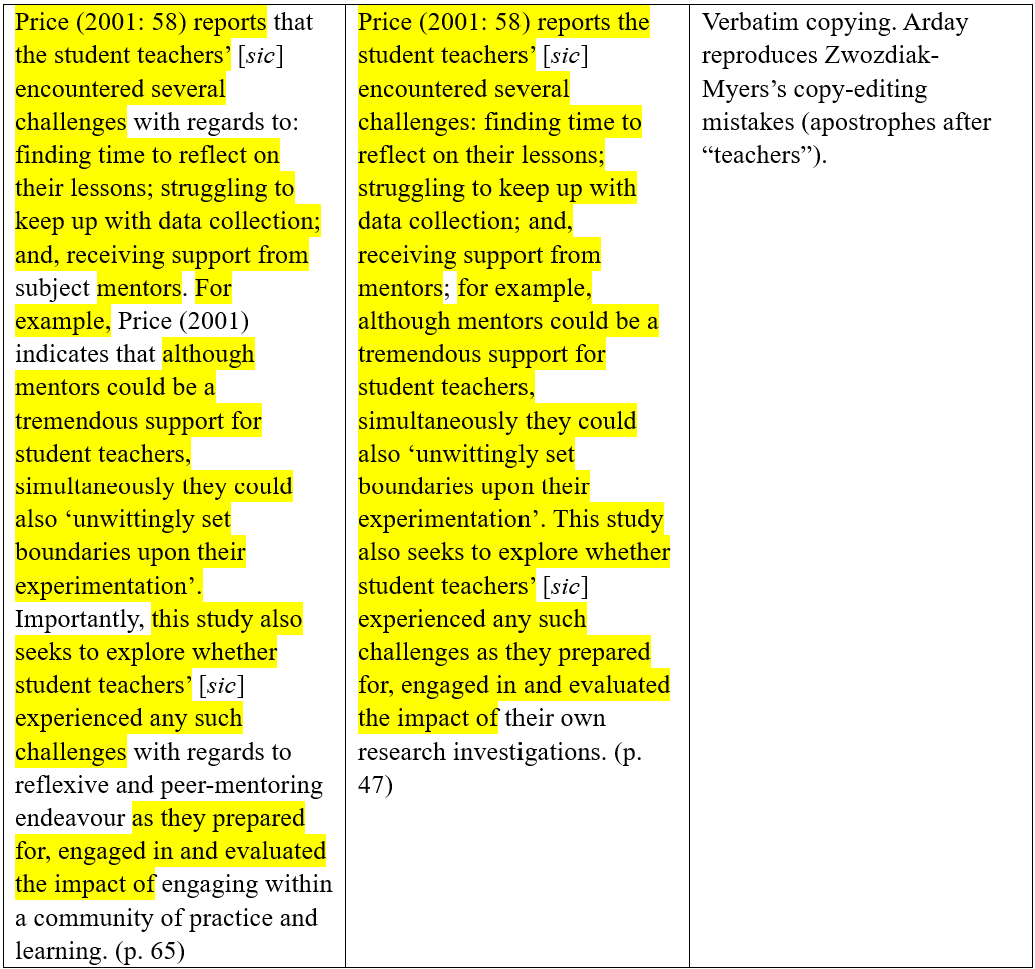
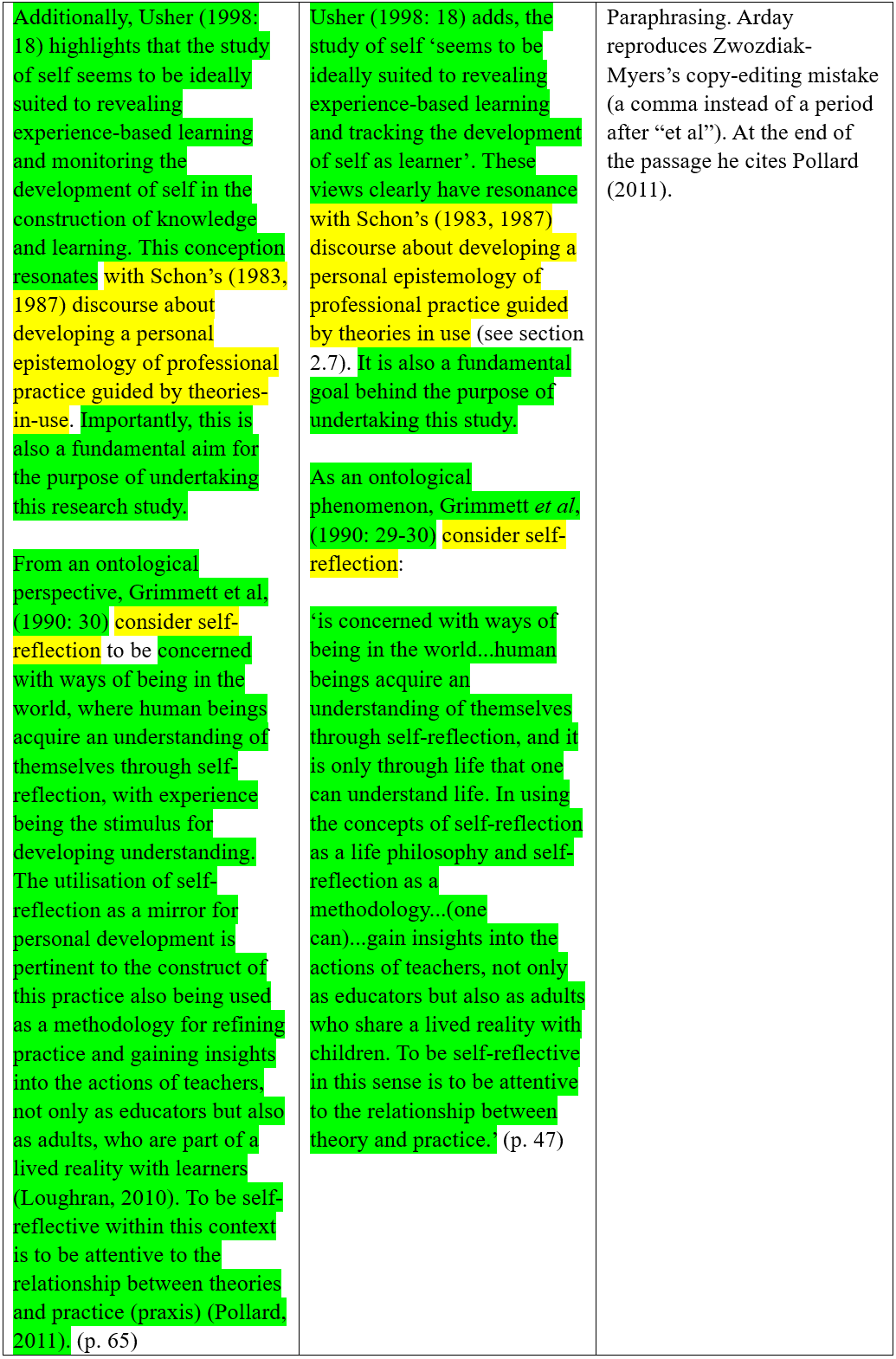
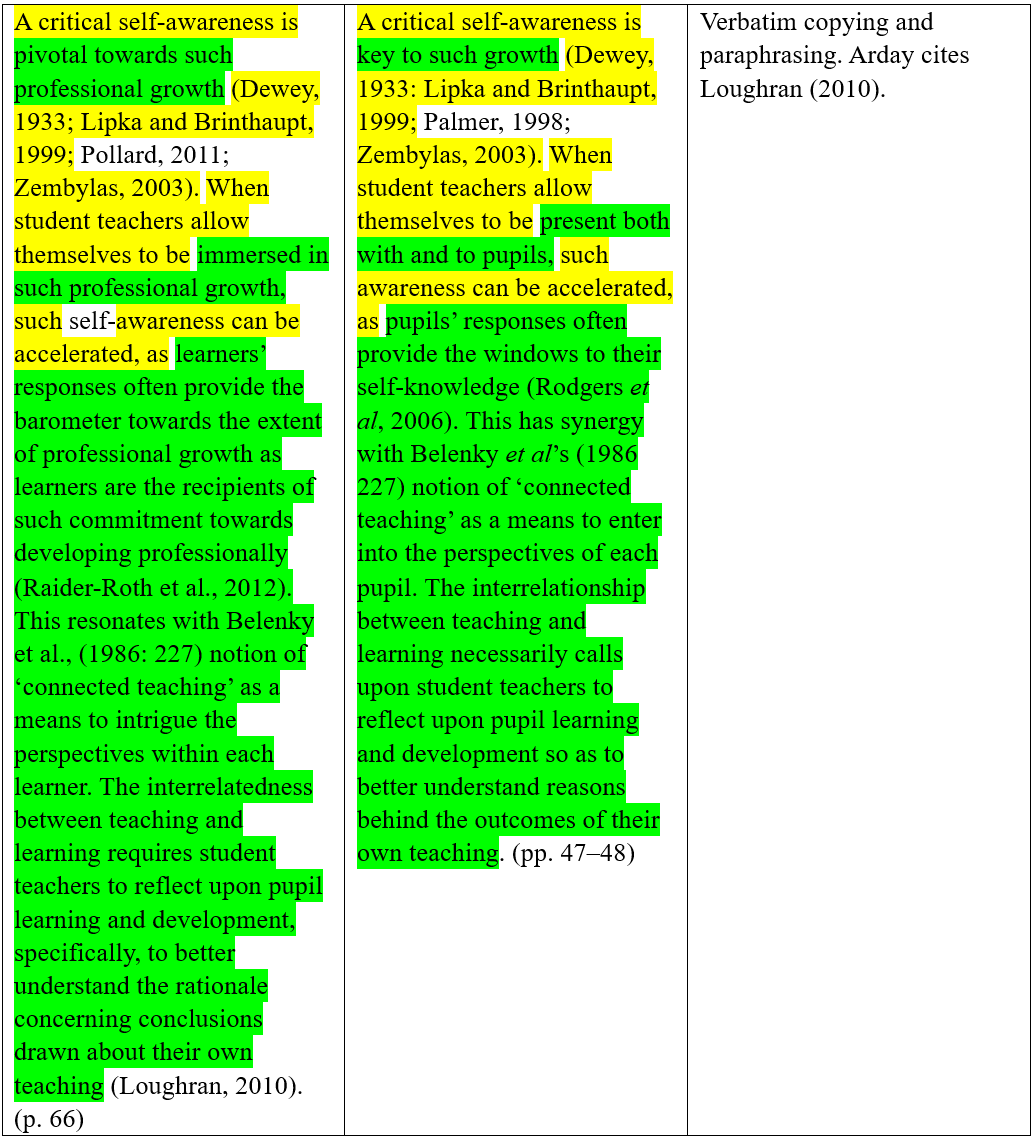
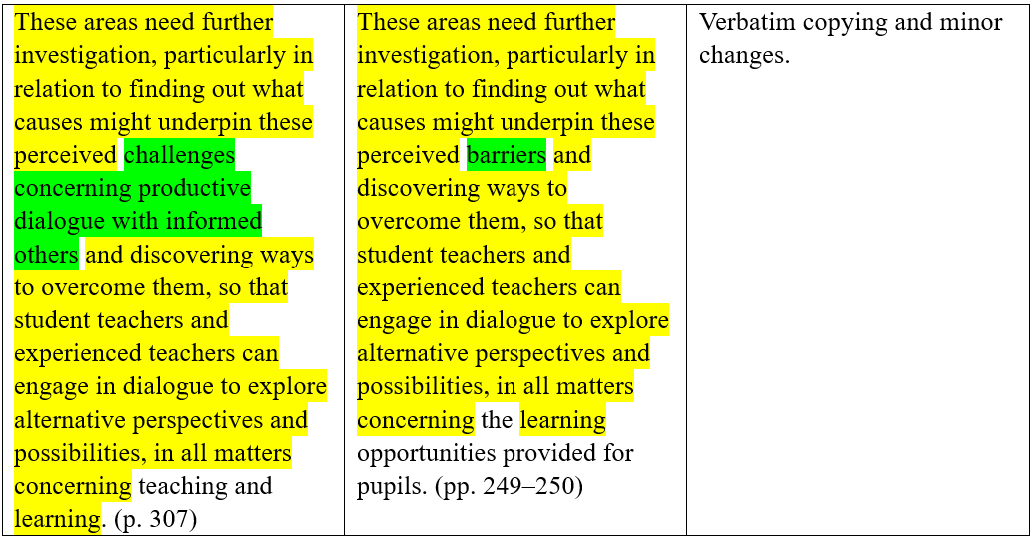
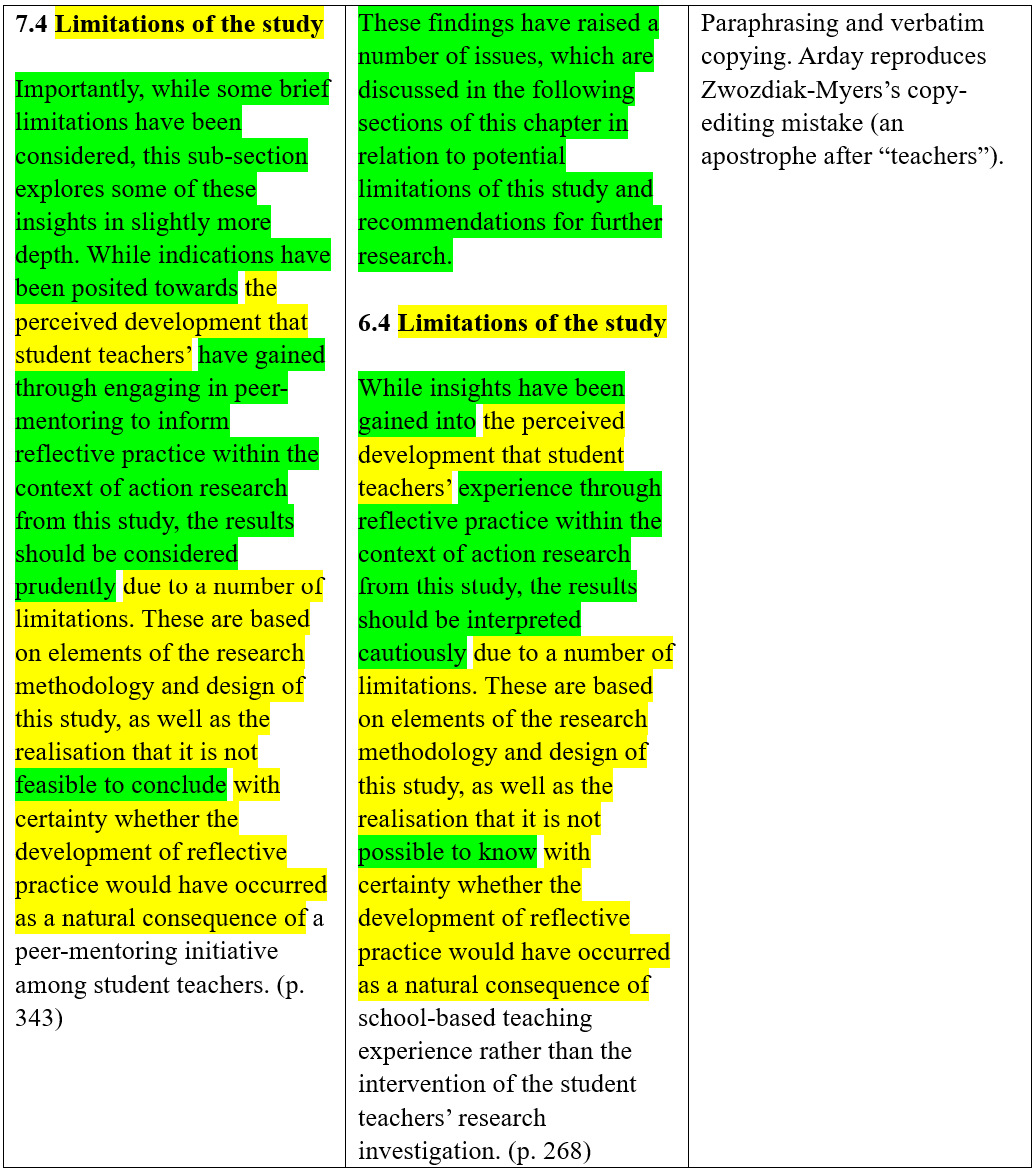
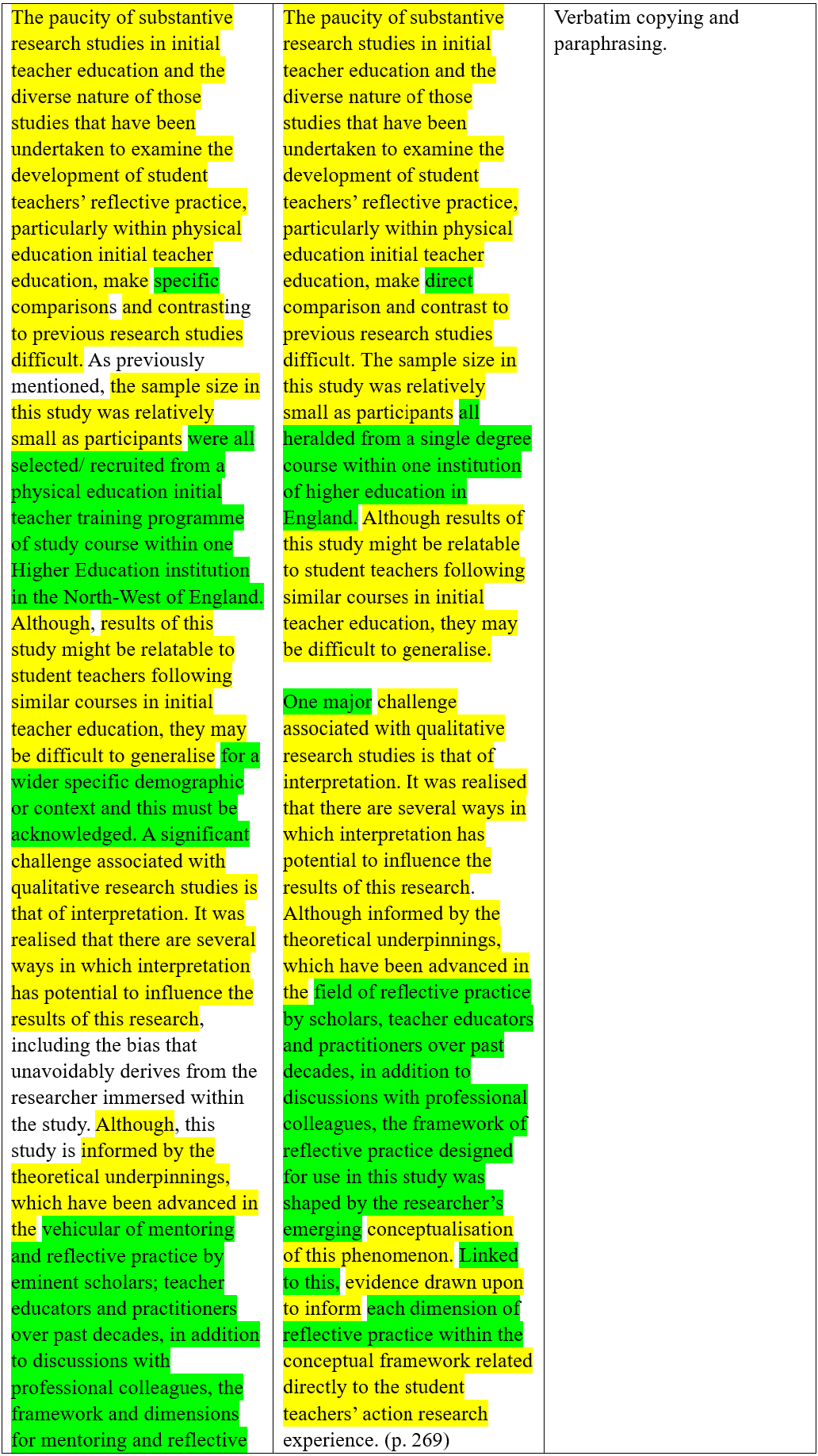
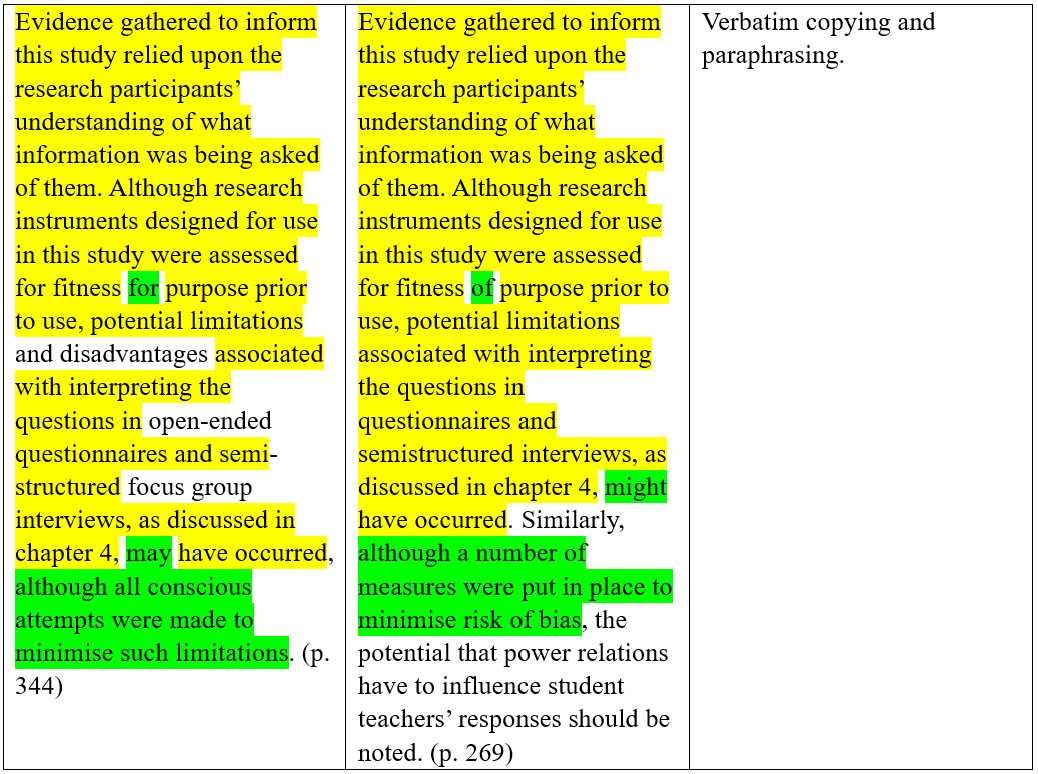
I ran Arday’s 2015 PhD dissertation through the plagiarism-detection program Copyleaks. It found substantial overlap with previously published work, particularly a dissertation submitted by Paula Zwozdiak-Myers in 2009. (Zwozdiak-Myers received her degree from Brunel University London, where she is currently a Reader in Education.) The chart below compares passages from Arday (2015) and Zwozdiak-Myers (2009). From literally the first page of the Introduction to his dissertation (which starts on page 17 of the manuscript), Arday relies heavily on Zwozdiak-Myers for key ideas and arguments. Many passages are lifted with minimal editing, sometimes retaining copy-editing mistakes from the original source.

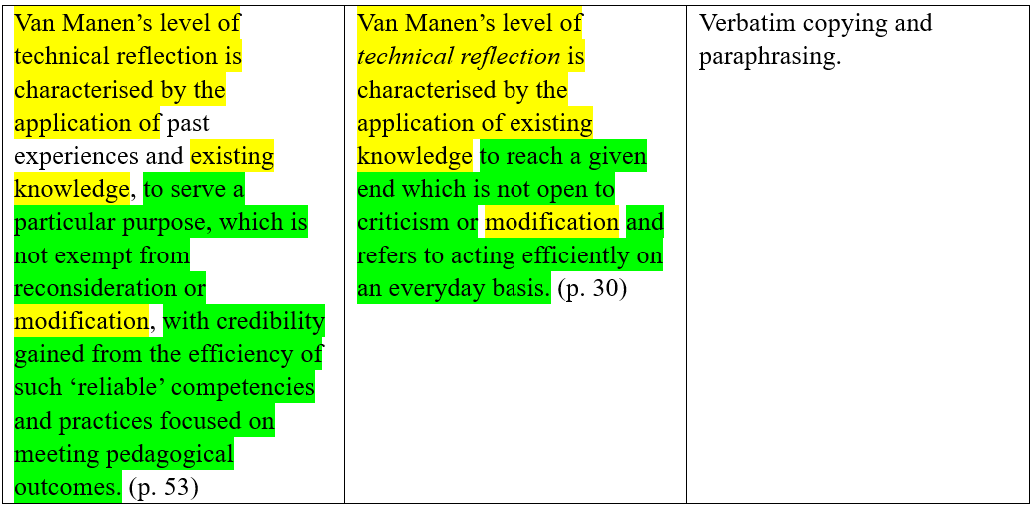
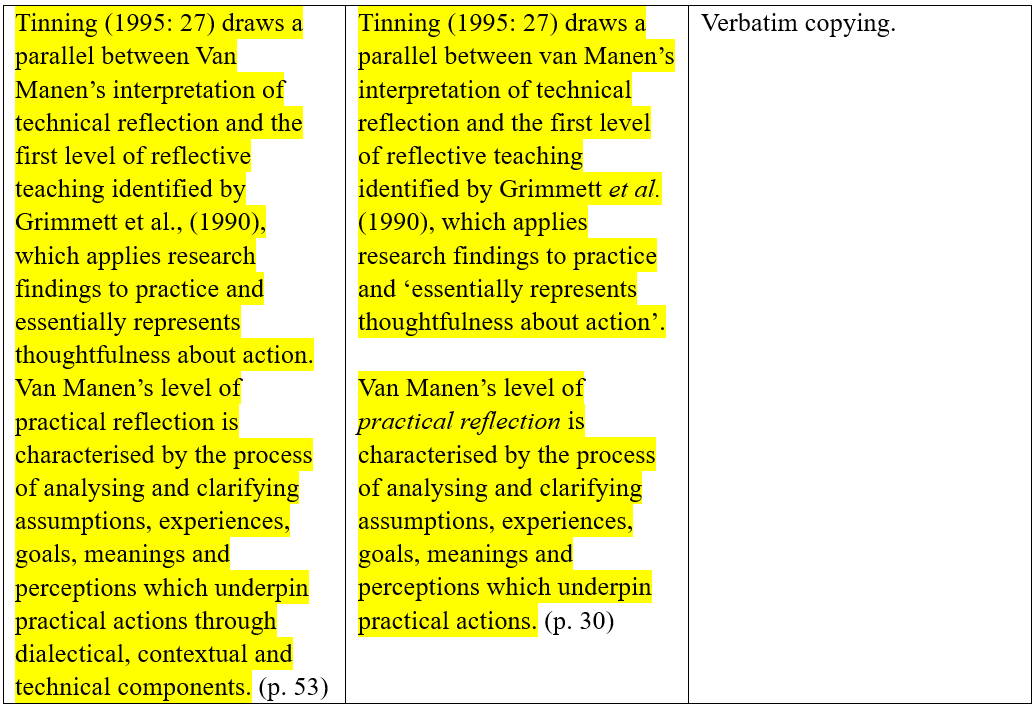
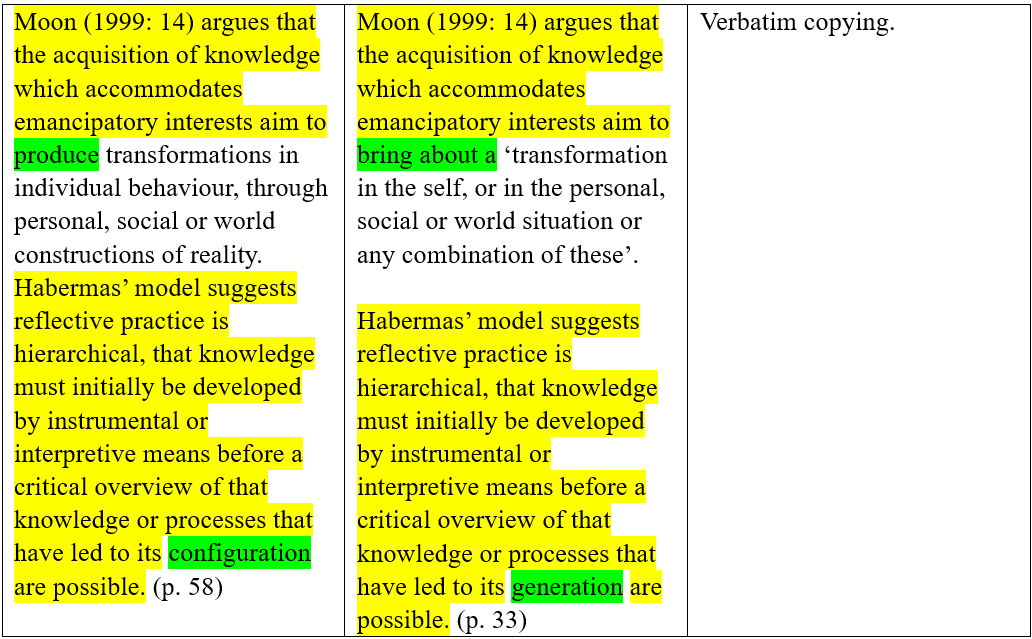
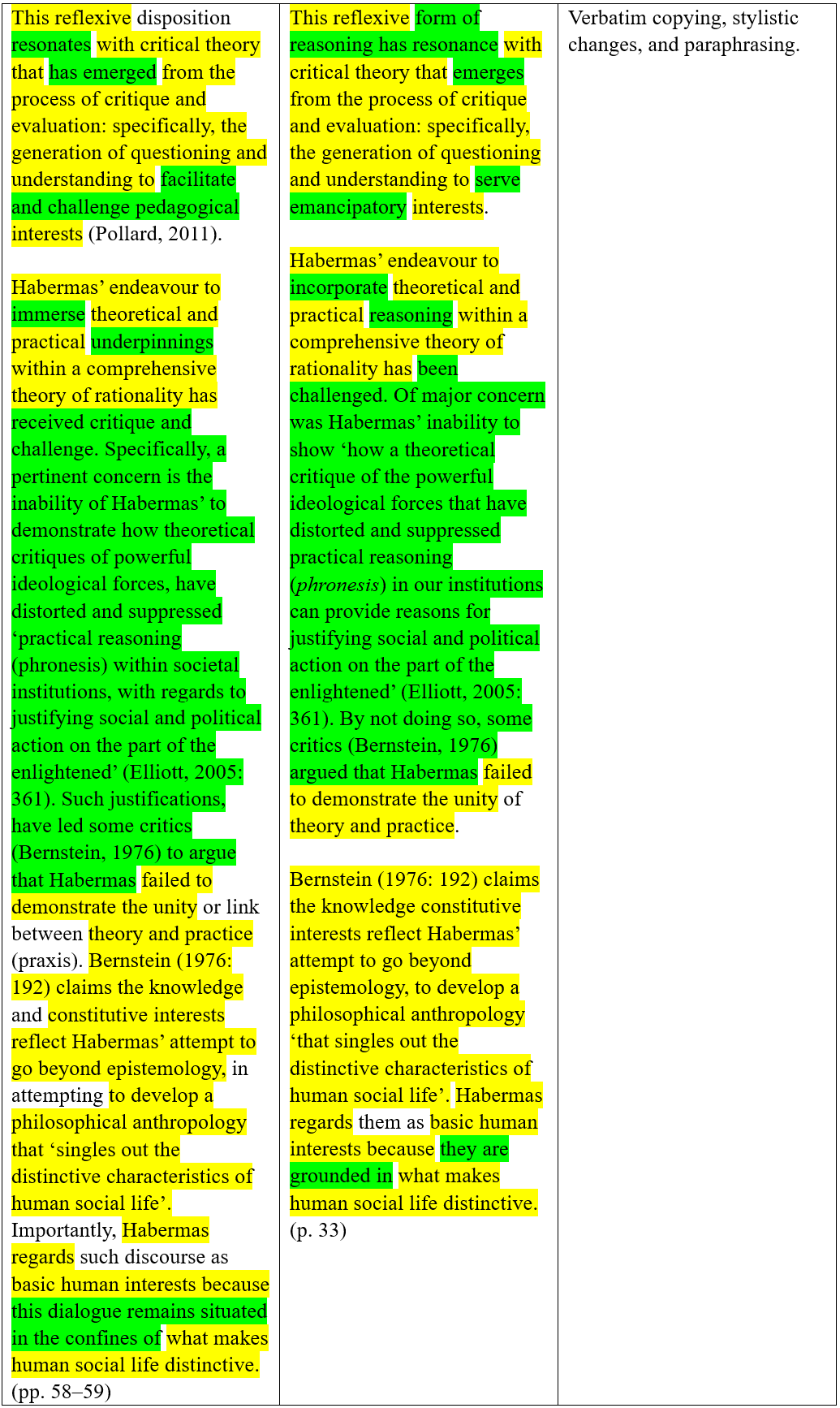
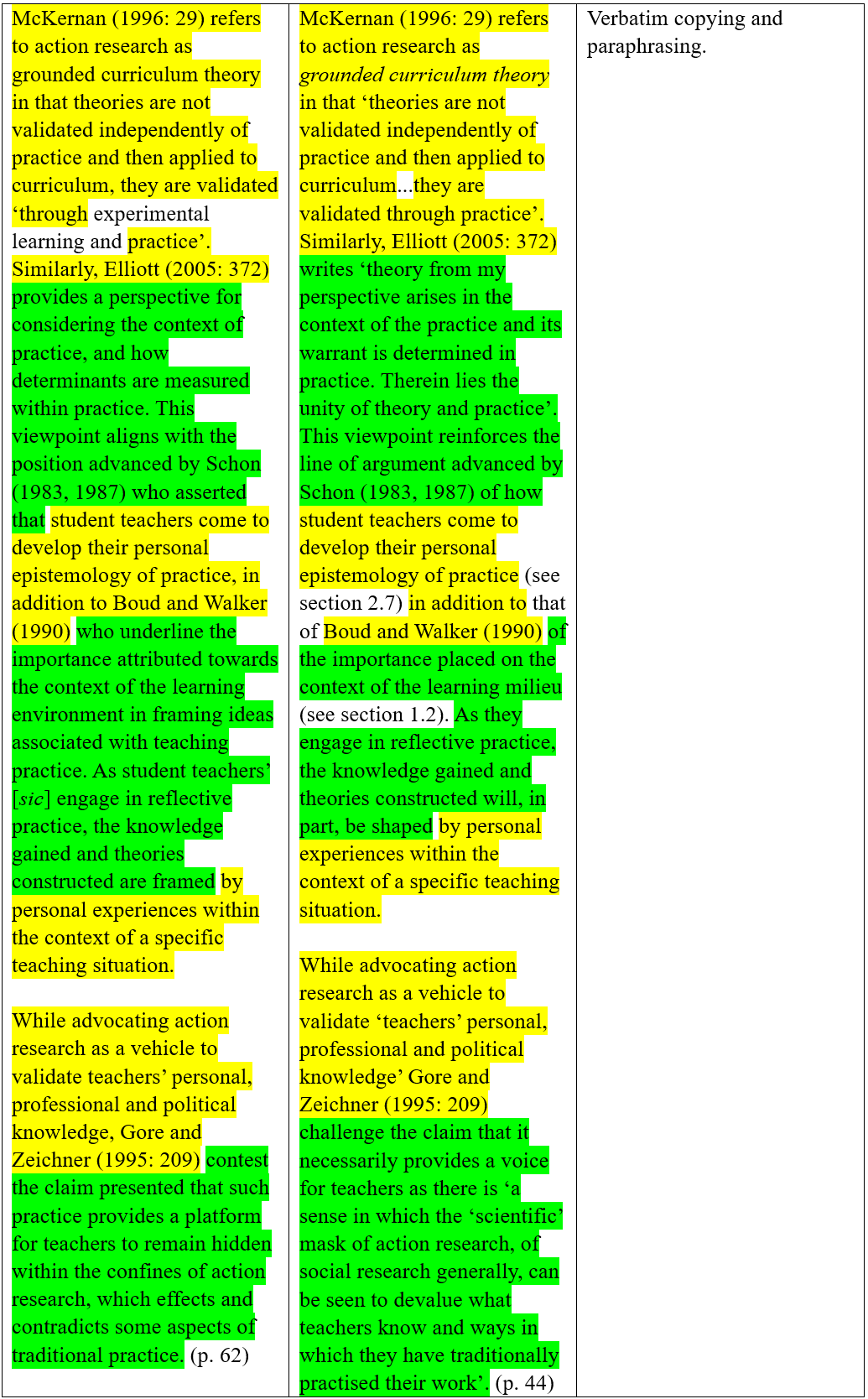
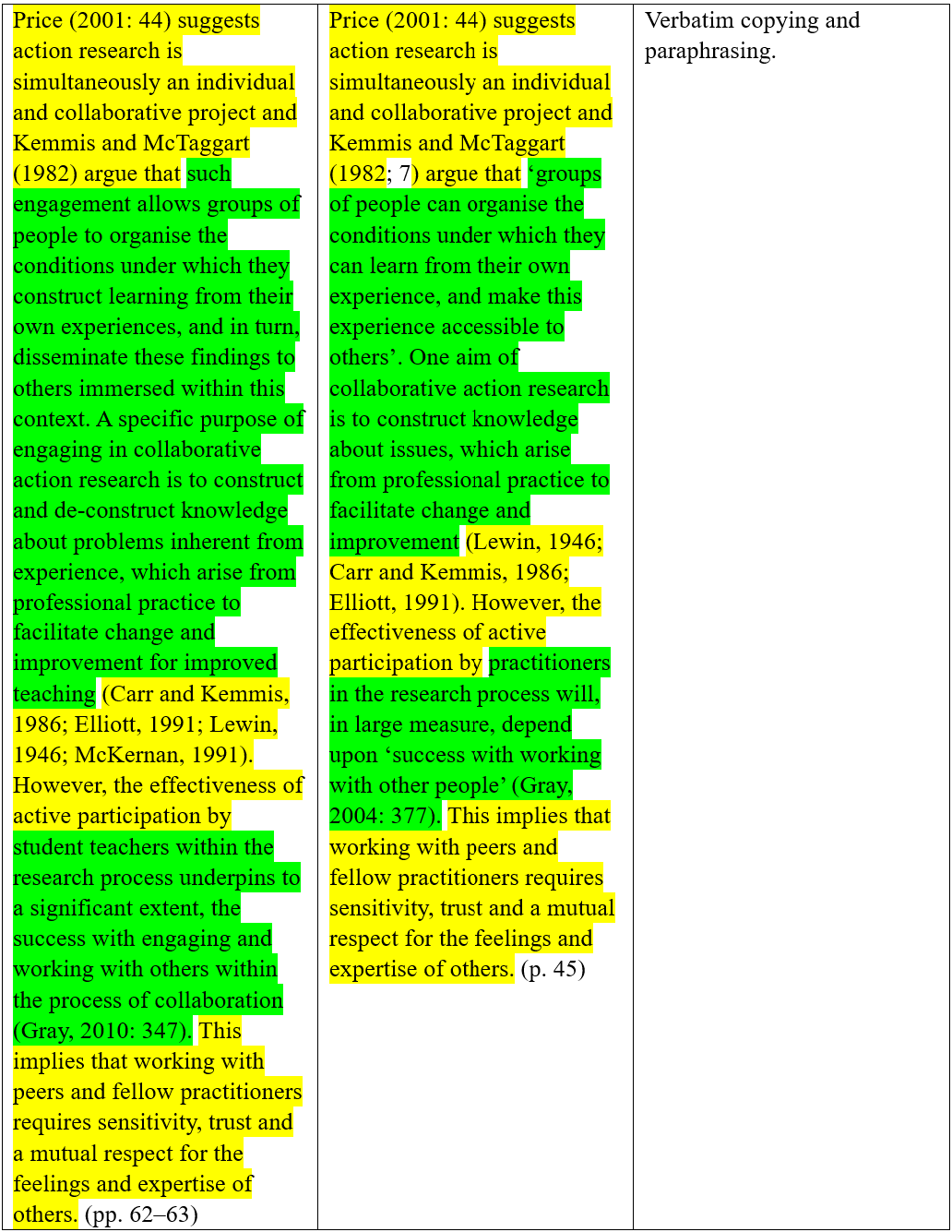
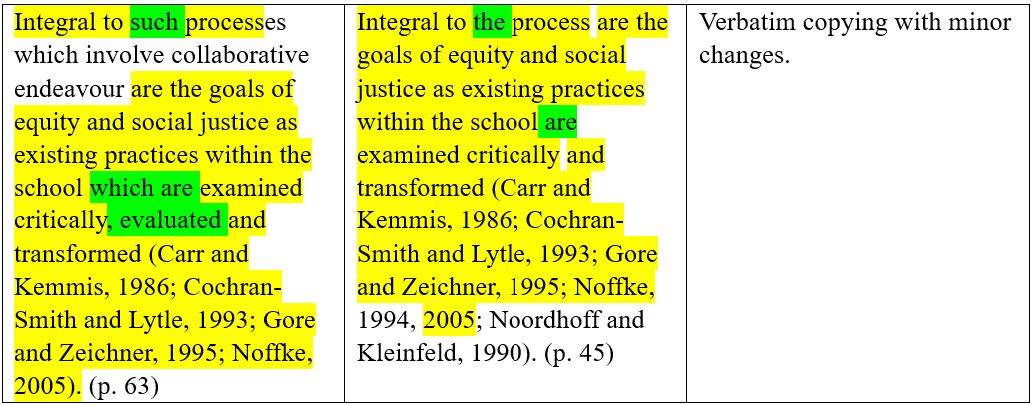
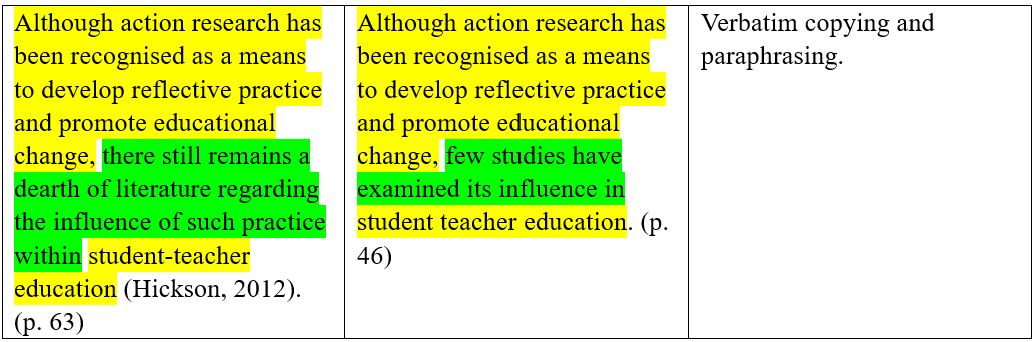
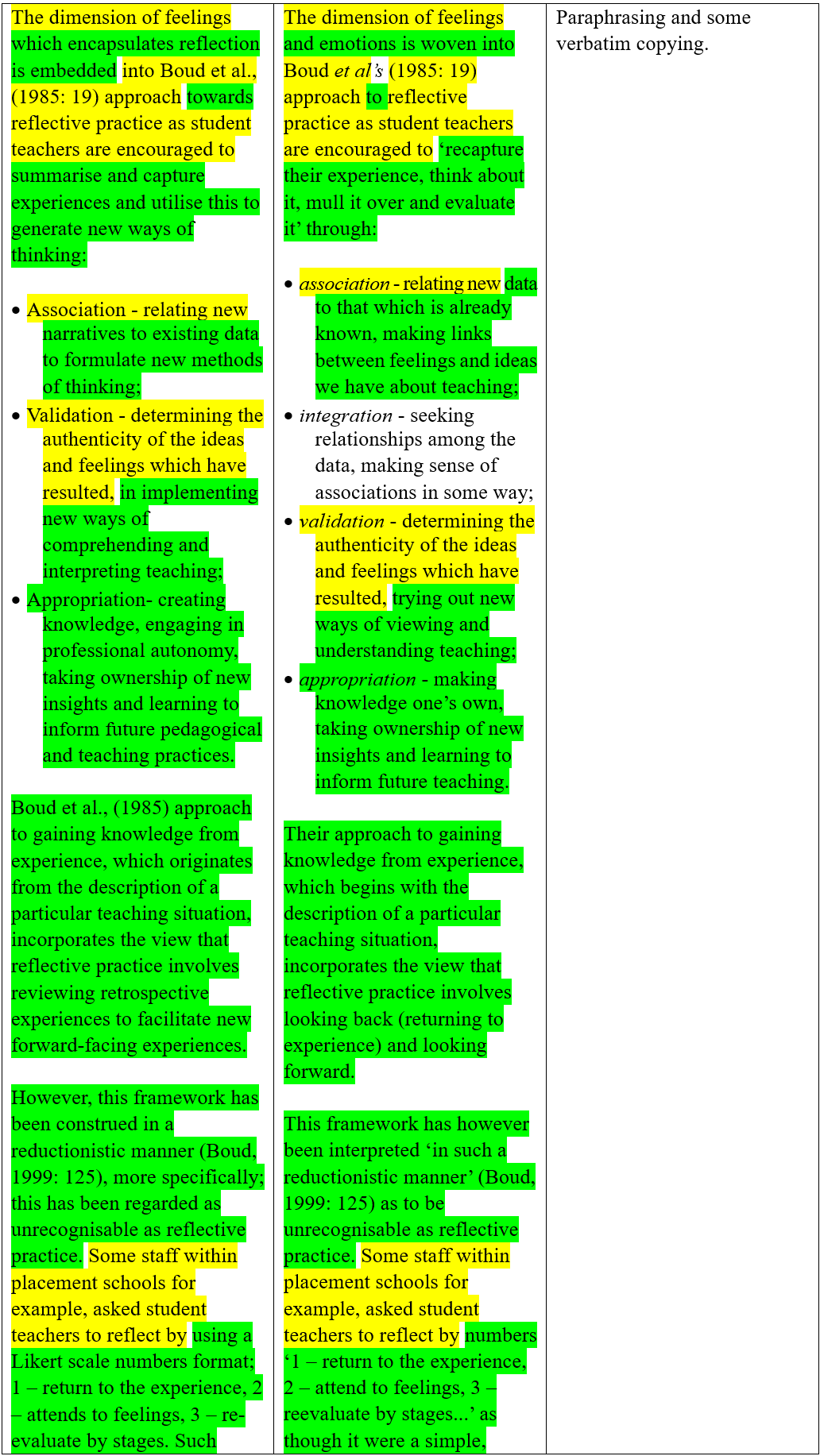

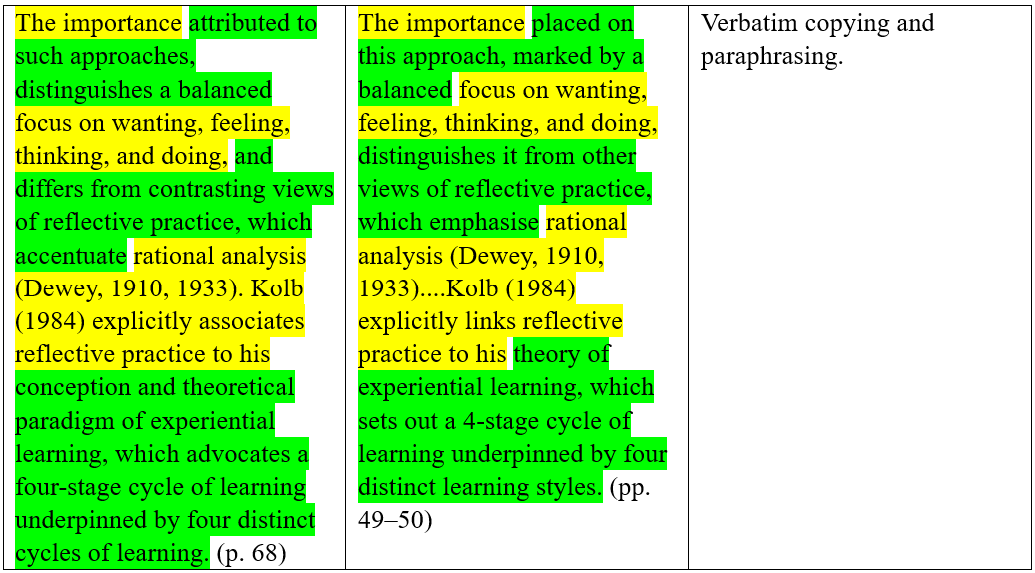
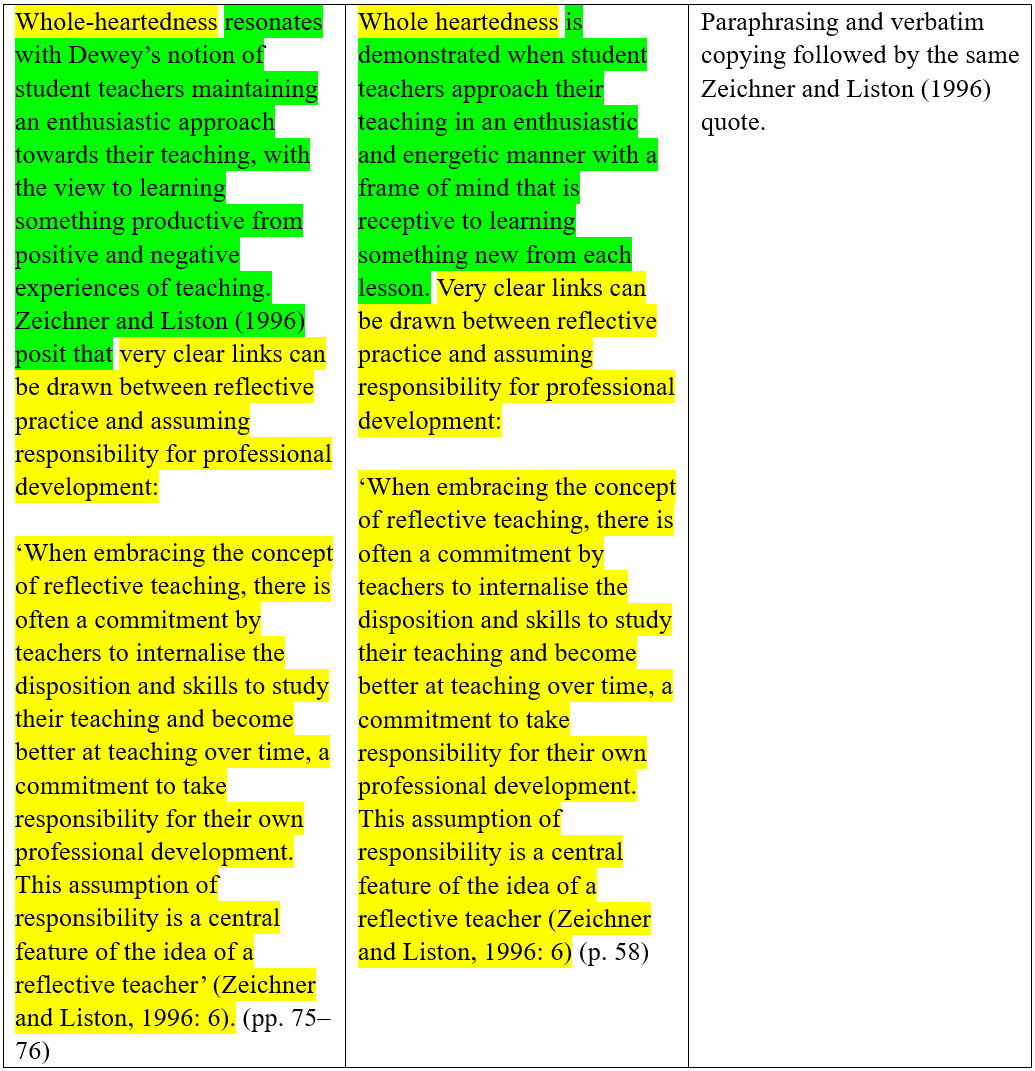
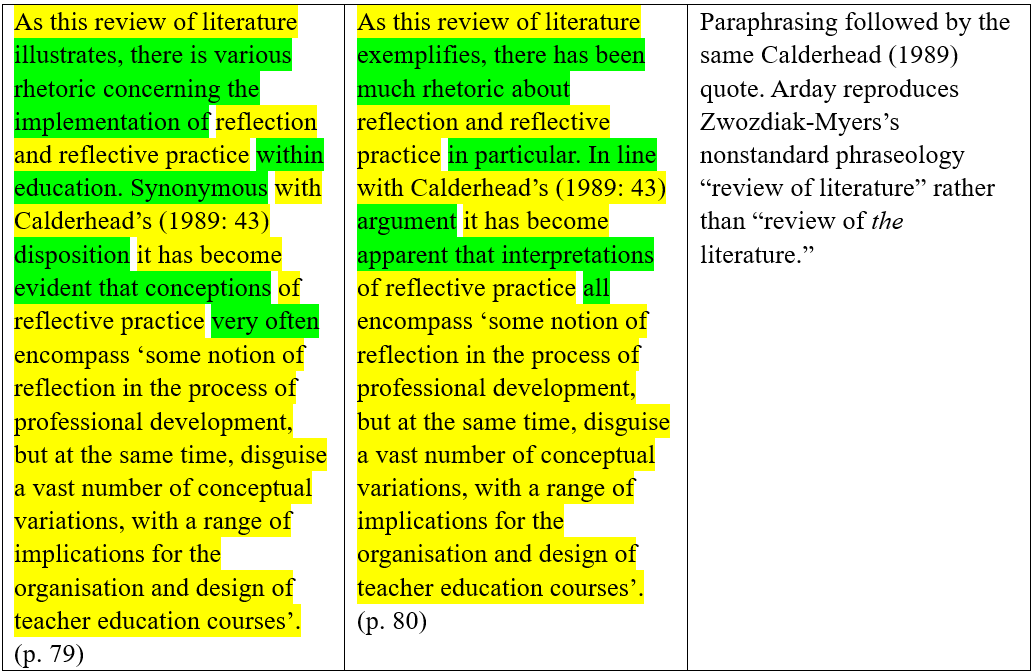
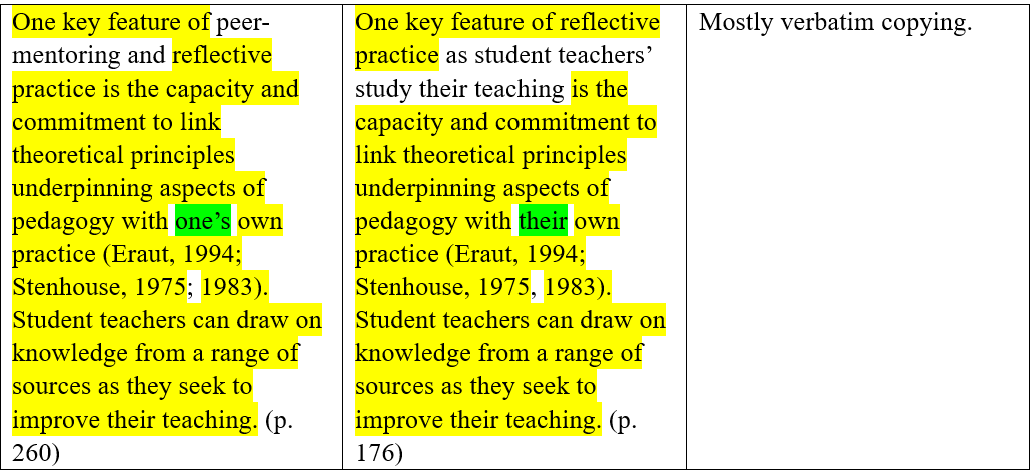
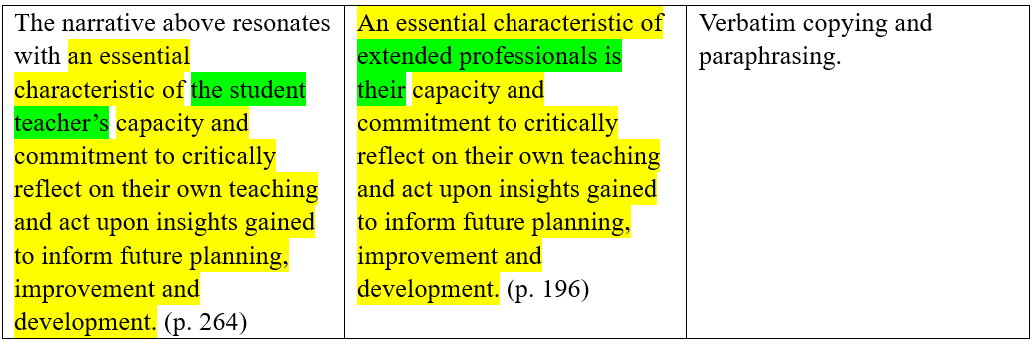
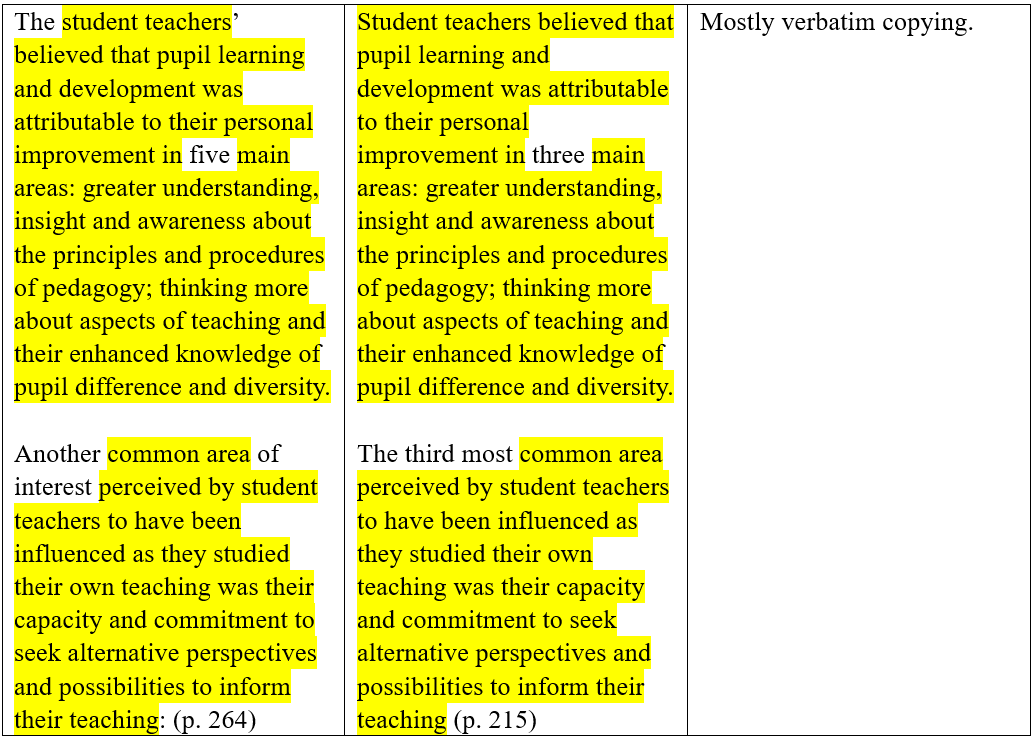

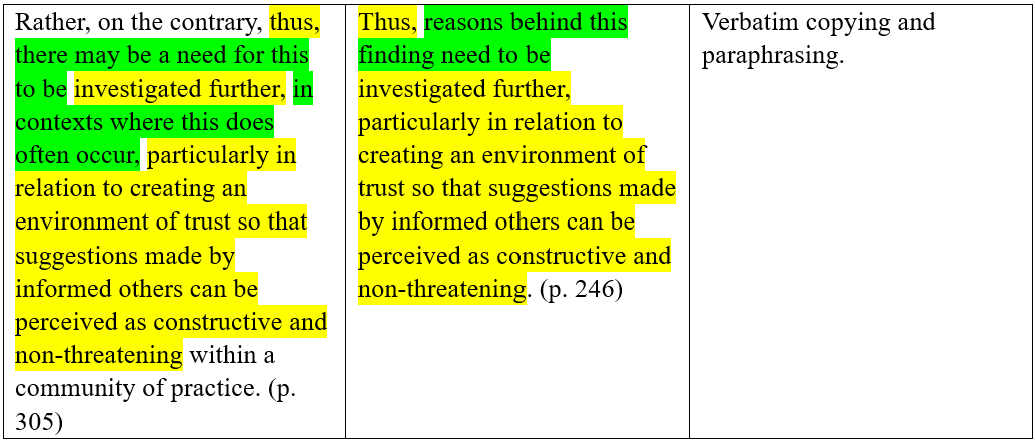

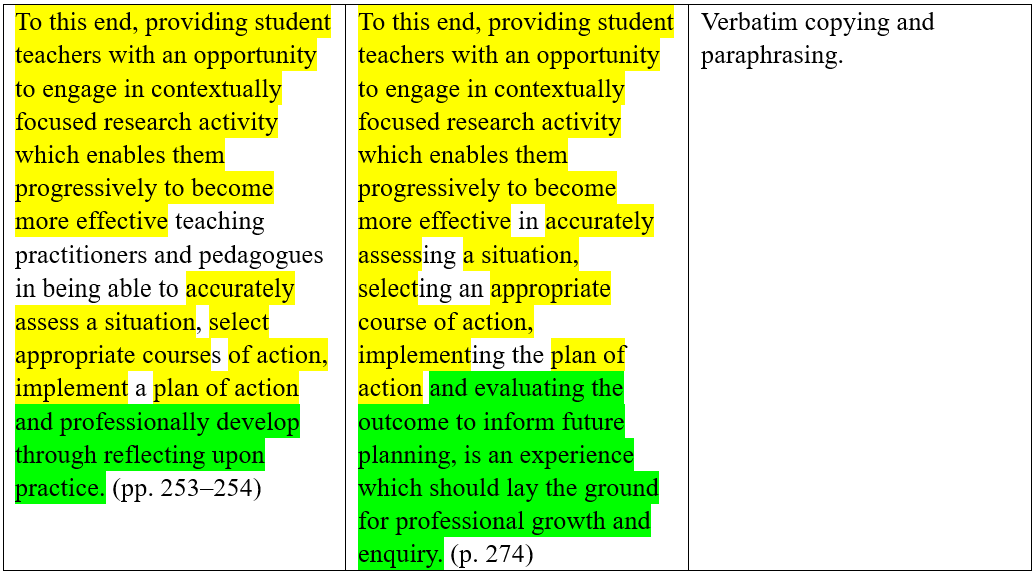
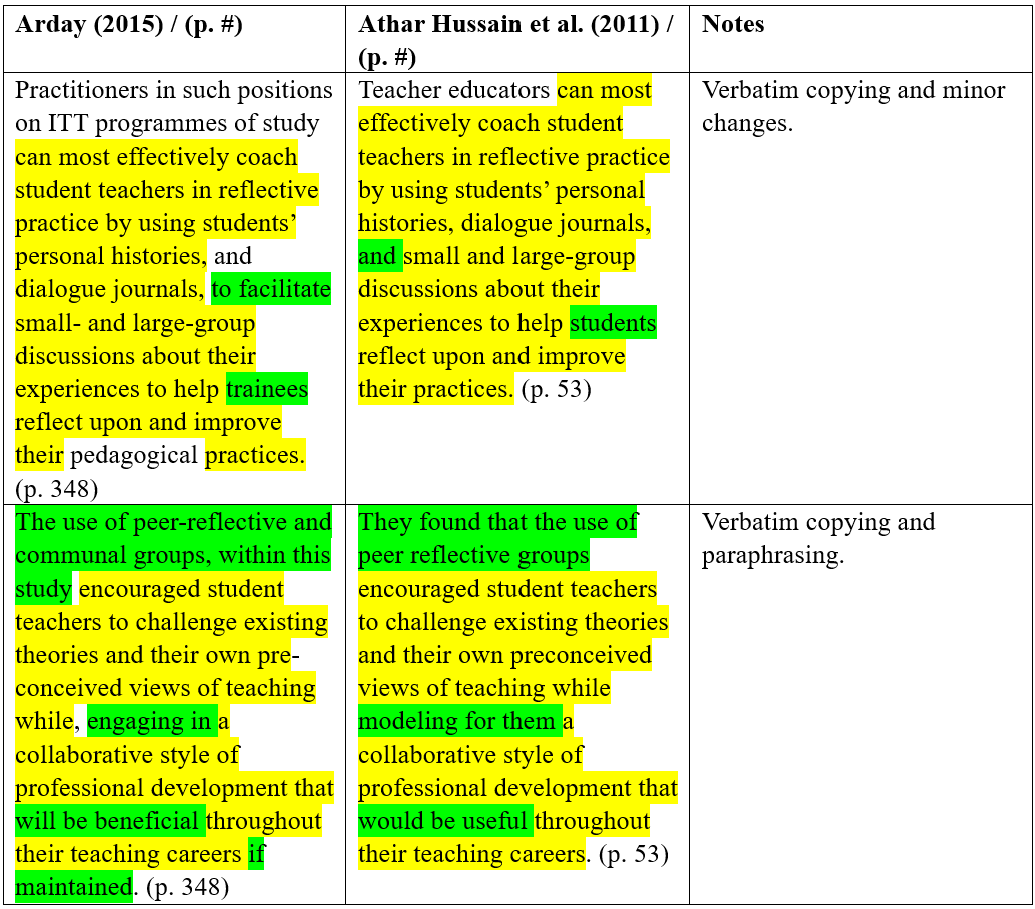
Arday appears to borrow from other sources without attribution. I won’t go through all of the examples detected by Copyleaks, but here are two more.
First, he copies and paraphrases from an obscure article by Muhammad Athar Hussain et al. published in the Turkish Online Journal of Distance Education in 2011.
Second, he lifts material from a 2008 article by Peter Kahn et al. that was published in the International Journal for Academic Development.
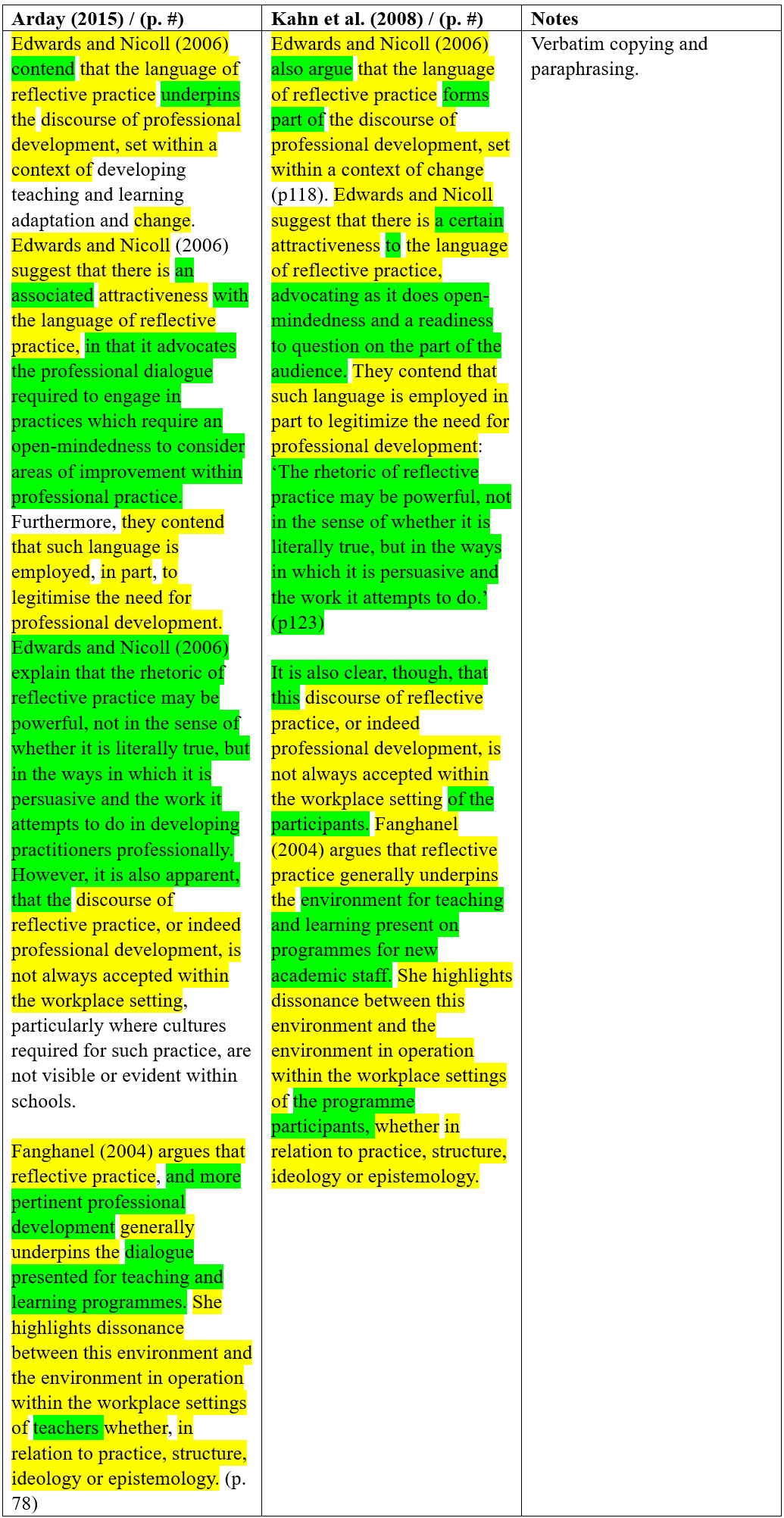
Neither Athar Hussain et al. (2011) nor Kahn et al. (2008) are cited anywhere in Arday’s dissertation.
The 10 Most Important Publications
Dave Harris is a retired Professor of Leisure and Education at Plymouth Marjon University. He hosts a website that provides free teaching materials.
Harris writes that he first read Arday’s work with the intention of summarizing the arguments to make them accessible. However, what he euphemistically refers to as “oddities” were “so frequent that they dominated [his] reading.” Harris emailed Arday, pointing out examples and asking if he could provide clarification.
Arday replied to Harris as follows: “Please do not email me again. Should you have the time to spare, I invite you to direct your resources elsewhere. Anything further from you will be considered bullying and harassment.”
After Harris and his colleague prodded several journal editors and administrators at Cambridge, two journals issued corrections to Arday’s publications.
Social Sciences published the following note regarding Arday’s 2018 paper, “Understanding Mental Health: What Are the Issues for Black and Ethnic Minority Students at University?”:
The publication (Arday 2018) has been amended to increase the clarity of citation sources within the text. Previously, the statement that the research had been adapted from Memon et al. (2016) appeared in Section 4, but inadvertently omitted overlap between the two publications in prior sections. The author has revised the text to address this, so that it is clear where ideas were adapted from past research. Consequentially, the number of times Memon et al. (2016) has been referenced has increased.
Text corrections to clarify citation sources and revised text have been made in the following sections:
Abstract;
1. Introduction;
3. Materials and Methods;
4.1. Exploring Mental Health for Black and Ethnic Minorities (BME) within Higher Education;
4.1.1. Personal and Community Factors; Cultural Identity and Fear of Stigmatization/Isolation; Social and Community Networks; Gender Differences;
4.2. Communication and Relationships between Service User and Healthcare Provider;
4.2.1. Communication: Cultural Naivety, Insensitivity, and Discrimination;
4.2.2. Power and Agency;
4.2.3. Language/Silencing;
5. Discussion;
6. Conclusions and Recommendations.
Acknowledgments have been added. In the original publication, there were missing citations that have now been inserted.
- Citations to Grey et al. (2013) and Memon et al. (2016) have been inserted in the Abstract.
- Citations to Grey et al. (2013) and Memon et al. (2016) have been inserted in the Introduction, on page 2 and 3.
- Citations to Memon et al. (2016) have been inserted in Section 3. Materials and Methods, on page 10 and 11.
- Citations to Memon et al. (2016) have been inserted to Section 4.1.1. on Gender Differences, on page 14.
- Citation to Memon et al. (2016) has been inserted in Section 4.2. Communication and Relationships between Service User and Healthcare Provider, on page 14.
- Citations to Grey et al. (2013) and Memon et al. (2016) have been inserted in Section 5. Discussion, on pages 16, 17, 18, and 19.
- Citations to Memon et al. (2016) have been inserted in Section 6. Conclusions and Recommendations, on page 19.
The original publication has been updated to reflect the author’s current institutional email address.
The author states that the scientific conclusions are unaffected. This correction was approved by the Editor-in-Chief. The original publication has also been updated.
The note appears to acknowledge that Arday’s entire paper is a work of plagiarism. However, the Editor-in-Chief was satisfied by Arday adding citations to the plagiarized sources and stating that “the scientific conclusions are unaffected.”
Educational Philosophy and Theory published the following correction to Arday’s 2021 paper, “Attempting to Break the Chain: Reimaging Inclusive Pedagogy and Decolonising the Curriculum within the Academy”:
A correction has been made to clarify the relationship between the study presented in this article and a prior study (Arday 2018), that utilised similar methodologies which in turn were based on Memon et al.’s (2016) study.
The corrections have been made to the Methodology section of the article, paragraphs 1, 3-5, citing Memon et al. 2016 and Arday 2018, pages 303-304.
Two references have been added to the reference list:
Arday, J. (2018b). Understanding mental health: What are the issues for Black and Ethnic Minority students at university? Social Sciences, 12(12), 672.
Memon, A. Taylor, K., Mohebati, L. M., Sundin, J., Cooper, M., Scanlon, T. & de Visser, R. (2016). Perceived barriers to accessing mental health services among Black and Minority Ethnic (BME) communities: A qualitative study in Southeast England. BMJ Open, 6(11), e012337.
These corrections have now been made to the online version.
Once again, the editorial note appears to treat plagiarism as an issue of missing references.
How much of Arday’s work is like this?
On his Cambridge University faculty webpage, Arday lists 10 publications under the heading “Principal and Recent Publications.” Entries range from the year 2018 (the year he published his first paper) to 2023 (the year he moved to Cambridge). These are apparently the publications that he believes represent his best work, in recognition of which he was awarded a chair professorship at Cambridge. I will go through the papers one by one.
(1) “Understanding Race and Educational Leadership in Higher Education: Exploring the Black and Ethnic Minority (BME) Experience,” Management in Education (2018)
Arday interviewed “three BME [Black and Ethnic Minority] academics in senior leadership positions within higher education in the UK.” The three individuals were selected “because of their convenient accessibility and proximity to the researcher.” Arday asked them to “reflect[] on and writ[e] about their experiences of negating racism within the Academy.” This short paper quotes and summarizes the responses, and asserts that racism is a serious problem in academia.
Copyleaks did not flag any instances of plagiarism.
(2) “Dismantling Power and Privilege through Reflexivity: Negotiating Normative Whiteness, the Eurocentric Curriculum and Racial Micro-aggressions within the Academy,” Whiteness and Education (2018)
In Arday’s own words from the Abstract:
This paper employs a Critical Race Theory (CRT) a storytelling [sic] method, which operates as a counter-narrative in attempting to conceptualise my own professional experiences of negotiating normative Whiteness, diversifying Eurocentric curricula and conceptualising the racial mirco-aggression [sic]. The narratives proffered demonstrate the subtle but powerful ways in racism unfolds [sic] within in [sic] the Academy and the nuanced, everyday forms of racism that persist against a backdrop of Whiteness. (p. 141)
Arday states that, when a white colleague of his, “Debbie,” committed microaggressions against him, he came up with a plan to “collate evidence” of her wrongdoing. He expounds:
Within me a confidence emerged knowing that I would one day have my ‘day of reckoning’ where I would be able to recite every racial micro-aggression I had encountered from Debbie and her colleagues, thereby becoming empowered rather than disempowered. (p. 152)
Copyleaks finds five cases of apparent plagiarism to two different sources.
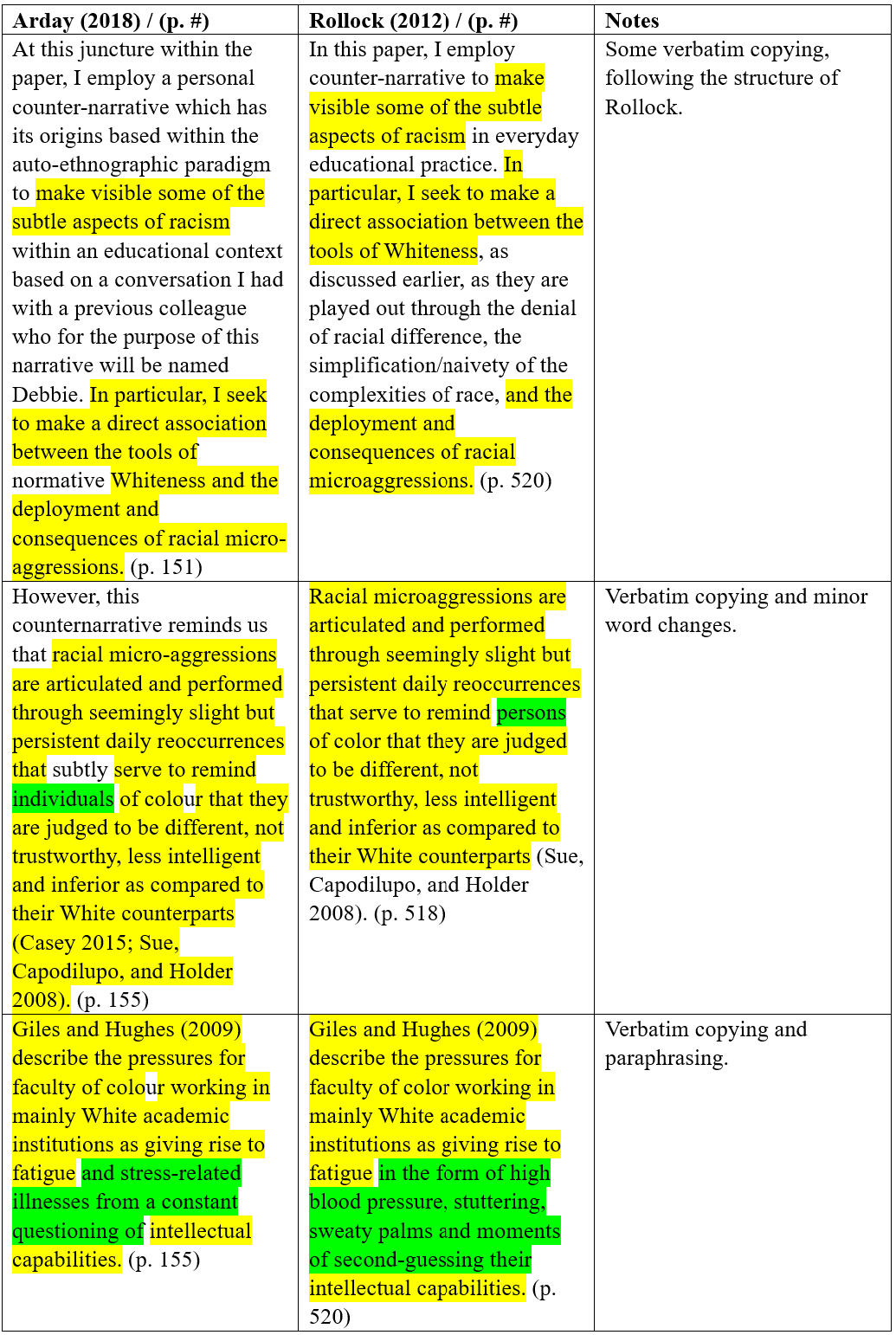
Arday lifts material from a 2012 paper by Nicola Rollock, published in the International Journal of Qualitative Studies in Education.
Arday also borrows from a 2010 article by Payne Hiraldo, “The Role of Critical Race Theory in Higher Education,” published in The Vermont Connection.
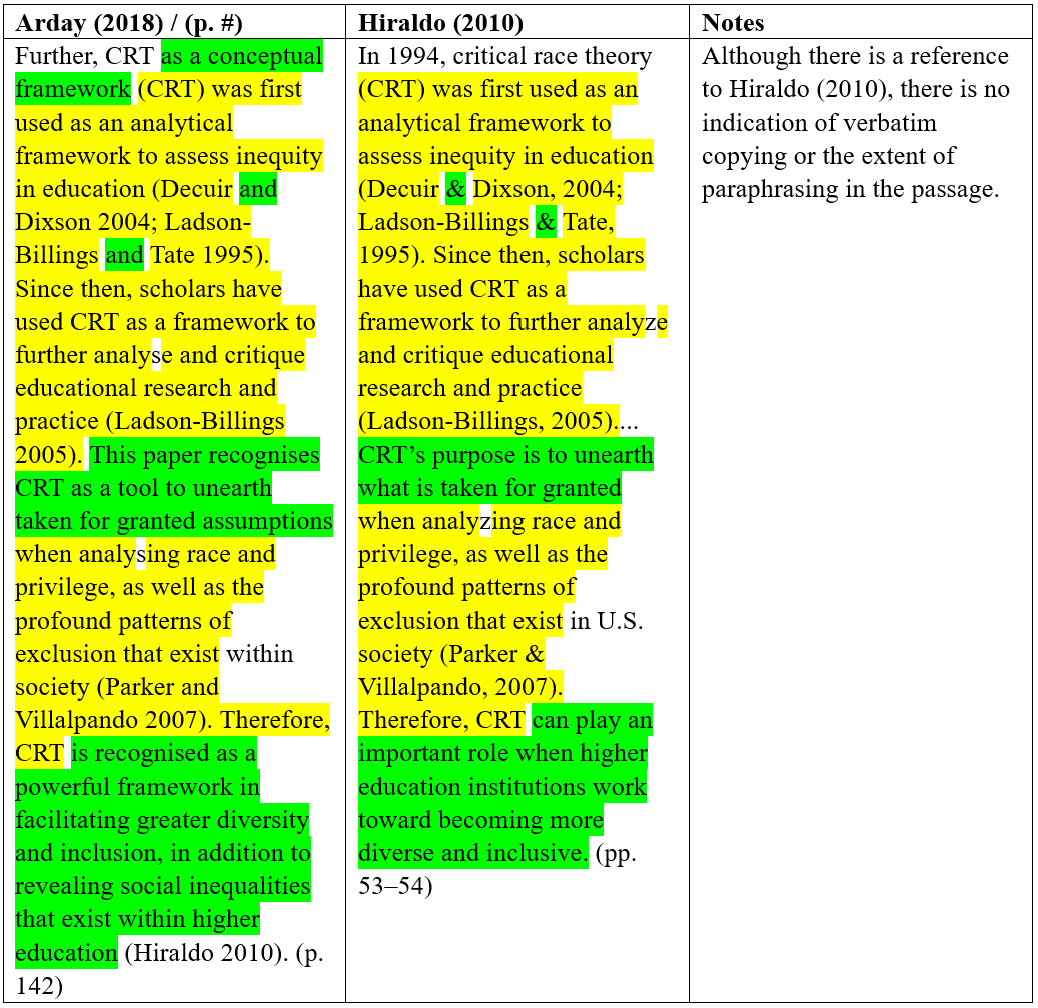
(3) “Attempting to Break the Chain: Reimaging Inclusive Pedagogy and Decolonising the Curriculum within the Academy,” Educational Philosophy and Theory (2021)
This paper was already flagged by Dave Harris. As discussed above, the Editor-in-Chief of the journal seemed to acknowledge that it was shot through with plagiarism, but allowed Arday to add references to the copied sources.
(4) “No One Can See Me Cry: Understanding Mental Health Issues for Black and Minority Ethnic Staff in Higher Education,” Higher Education (2022)
Arday describes this as a “study” that “utilises the narratives of 40 BME [Black and minority ethnic] academic and professional university staff to examine the impact of negotiating racial inequality and discrimination at university and the impact upon mental health.” Subjects were a “convenience sample” recruited on social media and through personal networking. They were interviewed and asked to fill out a questionnaire.
The paper contains no data analysis of any kind. Based on his personal impression, Arday identifies “two broad inter-related themes as barriers to accessing mental health services: (1) personal and environmental factors, and (2) relationship between service user and healthcare provider situated around power and hierarchy” (p. 89). He supports his conclusions by quoting individual subjects at length.
Copyleaks finds only a minor instance of plagiarism. Two sentences describing “Russell Group” universities (p. 86) are lifted verbatim from Wikipedia.
However, Dave Harris notices something that is difficult to explain. Arday quotes a 38-year-old Latin-American academic talking about her struggles learning English. She uses many of the same words as an Asian undergraduate subject quoted in Arday’s 2018 paper, “Understanding Mental Health.”

In the corrected version of “Understanding Mental Health,” Arday removed the words “and then heavily medicate me.” The quote in his 2022 paper remains unchanged.
(5) “What Do We Know About Black and Minority Ethnic (BAME) Participation in UK Higher Education?,” Social Policy and Society (2022)
Arday is one of three corresponding authors. The paper is essentially an opinion piece, which argues that “progress towards race equality in [UK universities] has been hampered by white-centric discourses which continue to identify BAME [Black and minority ethnic] students and staff as ‘other.’” The paper does not present or analyze any data.
Copyleaks did not find any plagiarism.
(6) “Protocol for Black Student Well-being Study: A Multi-Site Qualitative Study on the Mental Health and Well-being Experiences of Black UK University Students,” BMJ Open (2022)
The corresponding (i.e., principal) author of this five-page paper is Nkasi Stoll. Arday is one of six noncorresponding authors.
According to the paper’s “Contributor’s” note, “NS [Nkasi Stoll] conceived, designed and wrote the protocol. SH, HL and NCB were involved in the design, supervision and contributed to the final manuscript. YY, DS and JA [Jason Arday] contributed to the final manuscript.” This suggests that Arday’s contribution was minimal at most.
Copyleaks found no plagiarism.
(7) “‘More to Prove and More to Lose’: Race, Racism and Precarious Employment in Higher Education,” British Journal of Sociology of Education (2022)
Arday interviewed and administered questionnaires to 18 “staff of colour” at 10 universities, asking about their experiences with precarious employment. As with his previous studies, subjects were a “convenience” sample recruited through “recommendations among staff of colour.”
Although the paper includes a section titled “Data analysis,” the analysis appears to have involved Arday reading the subjects’ responses and then drawing conclusions.
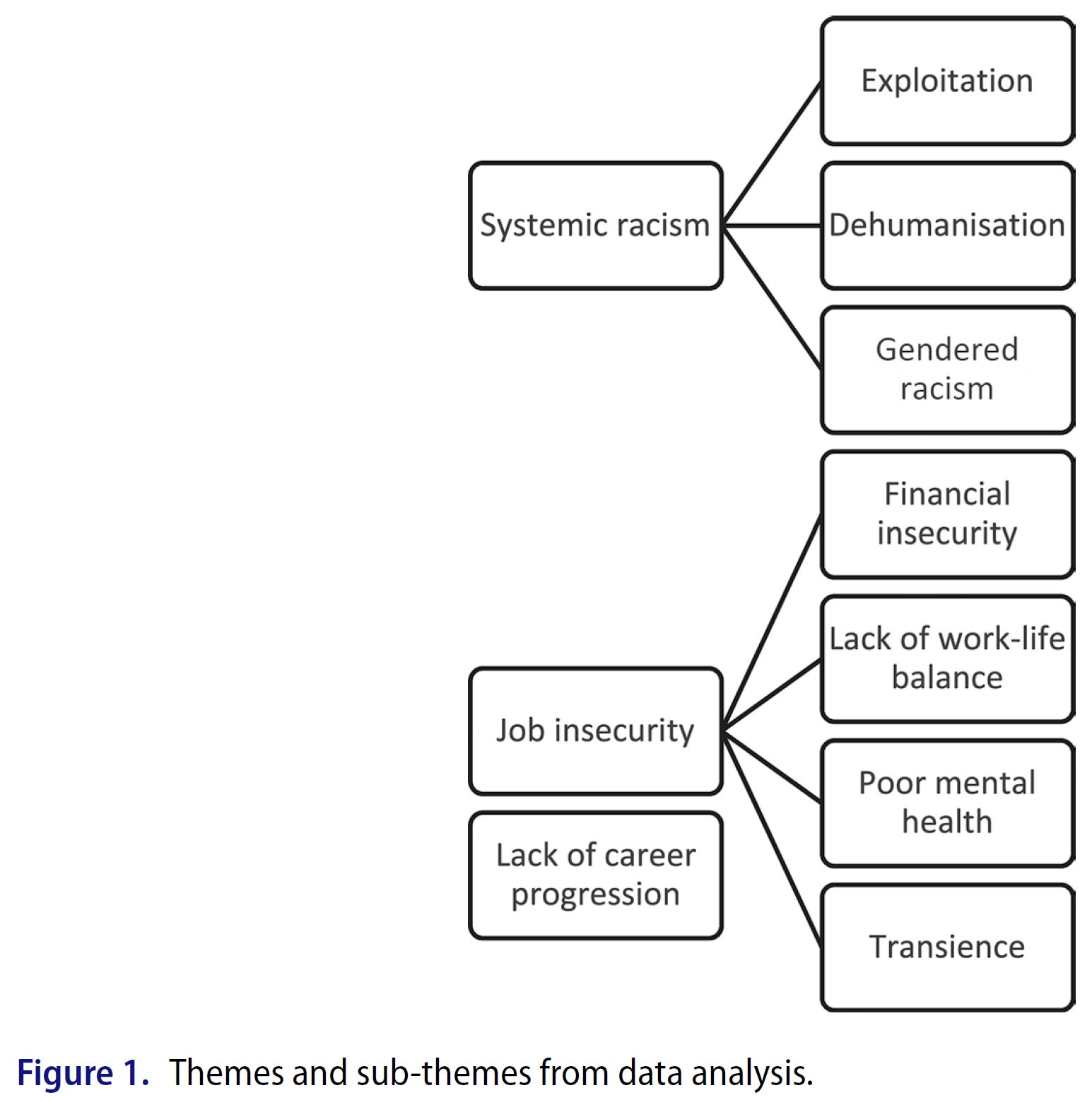
Arday presents a flowchart to illustrate his “findings.” As noted, the findings are based entirely on his own subjective interpretation of the interviews, with no statistical analysis of any kind.
Copyleaks failed to spot any plagiarism. But Dave Harris points out that the paragraph describing the study’s procedure is almost identical to that in Arday’s 2018 paper, “Understanding Mental Health,” which in turn was lifted from Memon et al. (2016). Memon et al. are not cited anywhere in Arday (2022).
(8) “Covid-19 and higher education: The Times They Are A’Changin,” Educational Review (2022)
This is not a research paper, but the introduction to a special issue on Covid and higher education. Arday briefly summarizes the contributions to the special issue.
Copyleaks found no plagiarism.
(9) “Same Storm, Different Boats: The Impact of COVID-19 on Black Students and Academic Staff in UK and US Higher Education,” Higher Education (2022)
Arday is one of two corresponding authors on this paper.
The authors recruited 18 black staff members and 25 black students at universities in the US and the UK. Participants engaged in “semi-structured interviews” and focus groups “to explore their lived experiences” related to the Covid pandemic.
The authors conclude that “Analysis revealed that Black students and staff experienced COVID-19 against the backdrop of racism.” There is no systematic data analysis of any kind.
Copyleaks found no plagiarism.
(10) “We’ll See Things They’ll Never See: Sociological Reflections on Race, Neurodiversity and Higher Education,” The Sociological Review (2023)
The corresponding author of this paper is Chantelle Jessica Lewis. Arday is the noncorresponding author.
According to the Abstract, the authors use “autoethnography” (i.e., self-reports about their lives) to “discuss their lived experiences of navigating the politics of neurodiversity and neurotypical hegemony in UKHE [UK higher education] as Black sociologists....In this way, they grapple with racism and ableism in the context of value, meritocracy and elitism.”
There is no systematic analysis of any kind.
Copyleaks found no plagiarism.
Is Arday a Real Scholar?
As noted, Arday highlights 10 papers as representing his most important work. The chart below indicates for each paper whether it (a) contains plagiarism, (b) fails to employ scholarly methods, and/or (c) was not actually written by Arday.
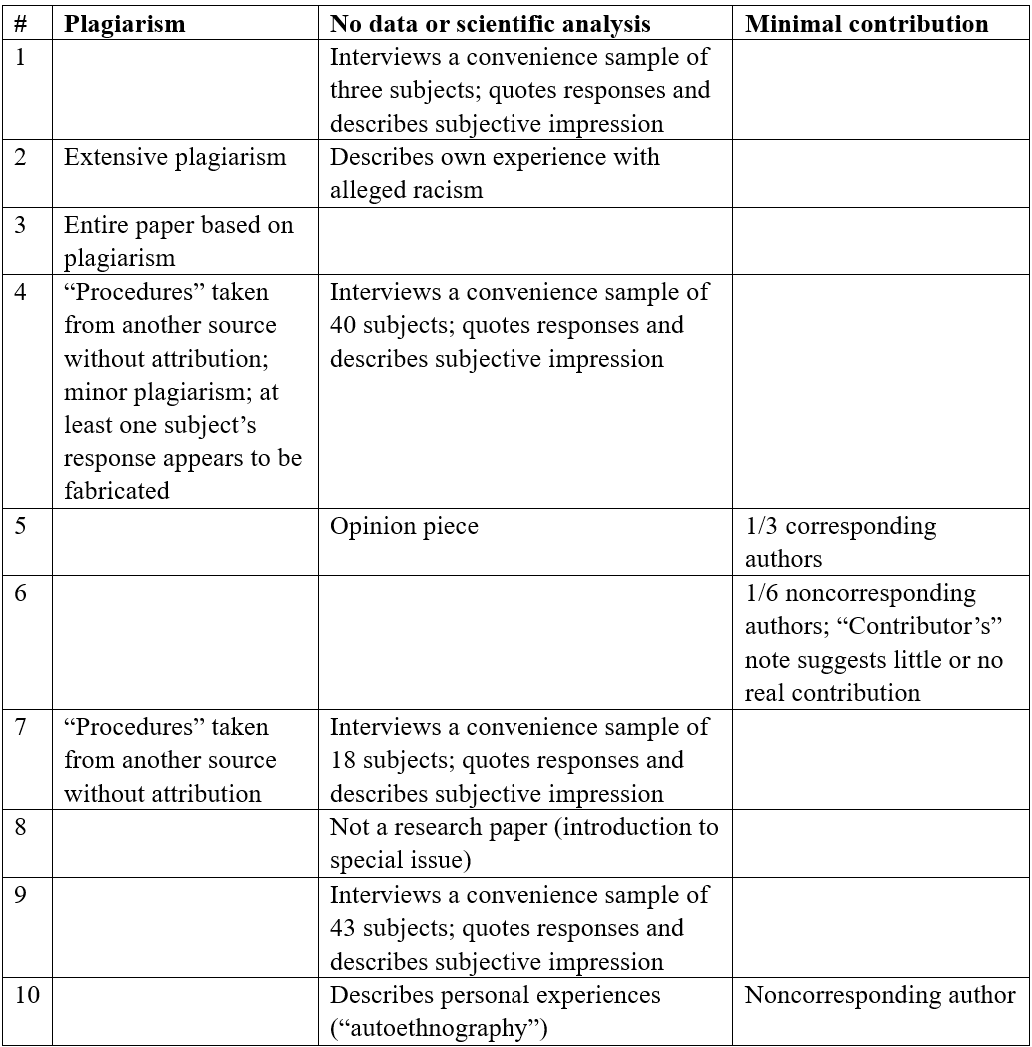
When you take away the work that is plagiarized or not otherwise written by Arday, there is essentially nothing resembling real scholarship. There is no indication that Arday is familiar with even elementary statistics. His research involves reporting his own experiences of alleged racism or having conversations with people and providing subjective commentary.
The Cover-Up
Jason Arday was hired by Cambridge explicitly to advance the cause of racial diversity. When he joined the university in 2023, the official announcement included the following quote by Pro-Vice-Chancellor for Education Bhaskar Vira:
Jason Arday is an exceptional scholar of race, inequality and education. He will contribute significantly to Cambridge’s research in this area and to addressing the under-representation of people from socio-economically disadvantaged backgrounds: especially those from Black, Asian, and other Minority Ethnic communities....We are making extensive efforts in this regard—including the expansion of the ‘Get In Cambridge’ programme which provides financial support to address systemic disadvantages and the lack of social and educational capital which often constrains the ability of minority ethnic students to continue with their education. A great deal remains to be done and Jason’s expertise will inform and enhance these ongoing endeavours.
(Readers of this Newsletter may remember Vira as one of the administrators who tried to get me fired from Cambridge in 2024 for writing about race and affirmative action.)
The head of the Faculty of Education, Hilary Cremin, told the Times of London that “hiring Arday was proof of the university’s commitment to tackling existing inequalities.” She provided the following statement:
Not only is Jason Arday a world-class scholar, he also brings a wealth of experience that can help us to take forward our efforts to widen participation at all levels. Hopefully it is becoming increasingly clear that with concerted effort and a genuine commitment to change, those barriers that still exist either to working or studying at top universities can be overcome.
Arday stated that he was coming to Cambridge to “open doors” to members of underrepresented groups:
My work focuses primarily on how we can open doors to more people from disadvantaged backgrounds and truly democratise higher education. Hopefully being in a place like Cambridge will provide me with the leverage to lead that agenda nationally and globally.
In other words, hiring Arday was an overtly political act. Everyone involved—including Arday himself—understood that he was being recruited to promote the ideology of DEI and increase the representation of certain groups.
You can imagine how Vira, Cremin, and others felt when in June 2023 they received an email from Dave Harris’s colleague alerting them to Arday’s alleged plagiarism. If hiring Arday was “proof of the university’s commitment to tackling existing inequalities,” what would it prove if the university placed him under investigation, let alone held him accountable if it turns out he engaged in wrongdoing?
I have the correspondence between the tipster and the administration. Dr. Rhys Morgan—Head of Policy, Governance and Integrity—replied as follows:
As set out by the UK Research Integrity Office, universities “are responsible for the research conducted using their facilities and resources or in their name”....The University of Cambridge takes issues of research integrity very seriously and we will always consider allegations relating to research conducted under its auspices in line with our policies.
In this instance the research that your concerns relate to was carried out before Professor Arday joined the University and it would normally be for the institution at which the work was done to consider any research integrity concerns with a particular paper published in their name. As such we do not consider it within our remit to investigate the paper to which you refer.
Professor Cremin sent this reply:
[W]e remain immensely proud of Prof Arday’s achievements and scholarship, and...he has our full support.
I can confirm that, having looked into your concerns about Prof Arday’s work, I arranged a meeting between myself, Prof Arday and my director of research. We discussed the paper in question and the circumstances under which the paper was written, which was clearly before Prof Arday was employed at Cambridge. During this meeting Prof Arday said that he wanted to take the article down from the journal online platform in order to address concerns and re-upload it. The journal has now enabled this, and Prof Arday is working on the changes. We are very grateful for your detailed feed-back on the article in question that has formed the basis of these revisions.
During our meeting Prof Arday spoke movingly about his ongoing experiences of direct and indirect racism, and the conditions that he was living in whilst the 2018 article was being prepared (in 2016). At this time he was early career and living away from home whilst dealing with significant health issues.
From the perspective of the university (represented by Rhys Morgan), any pre-2023 plagiarism was irrelevant. It is difficult to understand this position. Arday was hired on the basis of his work. Surely the university would wish to know whether or how much of this work was fraudulent.
For the Faculty of Education (represented by Hilary Cremin), it was enough for Arday to state that he experienced “direct and indirect racism” and “health issues” to absolve him of responsibility. I sympathize with Arday for his health problems. However, it is unclear how illness or alleged racism can explain why he stole other people’s work. And if he committed plagiarism in 2018, wouldn’t the Faculty want to know whether or not it was a one-off? Yet, with no real investigation into the facts, Cremin declared that “he has our full support.”
I have heard from multiple sources that Arday and/or the university have sicced the law firm Carter-Ruck on journalists or academics who raised questions about Arday. In any case, there are obvious questions about Arday’s work and life story. The fact that literally no one at Cambridge has spoken about this publicly suggests that, at the very least, the administration has created an atmosphere of intimidation where people are afraid to express controversial ideas. This is consistent with the experience I wrote about a couple months ago in “Cambridge University’s War on Free Speech.”
Free Speech and DEI
There are more than a thousand black people in the UK with IQs over 140 who would be capable of doing serious work in the sociology of education. If Cambridge administrators wanted a black professor to serve as a role model for underrepresented minorities, they could have found someone qualified. Instead, they grabbed a random black person with an unvetted fairytale backstory and almost nothing that even resembles genuine scholarship. When evidence of the black person’s long history of plagiarism is brought to their attention, they excuse it on the basis that he was the victim of “direct and indirect racism.” In their view, he cannot be asked to follow the same rules that we expect schoolchildren to understand. I know it sounds silly to say that “leftists are the real racists.” But by hiring Jason Arday and refusing to investigate credible accusations against him, isn’t Cambridge making a statement that the only way to have black professors is to abandon all standards?
There is a conflict between what universities such as Cambridge call “DEI” and something else that they claim to value, namely, free speech. DEI demands that we accept the fiction that people like Jason Arday, who are hired because they tick certain identity and ideology boxes, are just as qualified as scholars selected on the basis of academic merit. But if people are allowed to speak freely, they might point out that this is false. The Cambridge administration resolves the dilemma by siding with DEI against free speech. Faculty know what is likely to happen to them if they speak about the Arday situation. That is why the administration has been able to bury the story for three years.
The upshot is that we lose both free speech and equality. Equality means treating people the same without regard to immutable characteristics like race, and that is not what is happening at Cambridge.
I think there was a real piece of buried treasure here, namely, today I learned that there is an entire journal called "Whiteness and Education," published by Taylor and Francis which is already on volume 11.
Just think for a moment about how much we, collectively, have learned about "whiteness" from the scores of articles already published in this journal, and the many thousands of hours of work that the authors and reviewers put into them. Truly, we are living in a golden age of science and enlightenment.
300 miles in 3 days? Ask an ultra marathoner if, after an ultra marathon, they could do another the following day, and then another after that.
White libs think black people are magical creatures.